News · Defence & Security
Suspected Iranian drone plot pushed U.S. to evacuate bombers from British air base
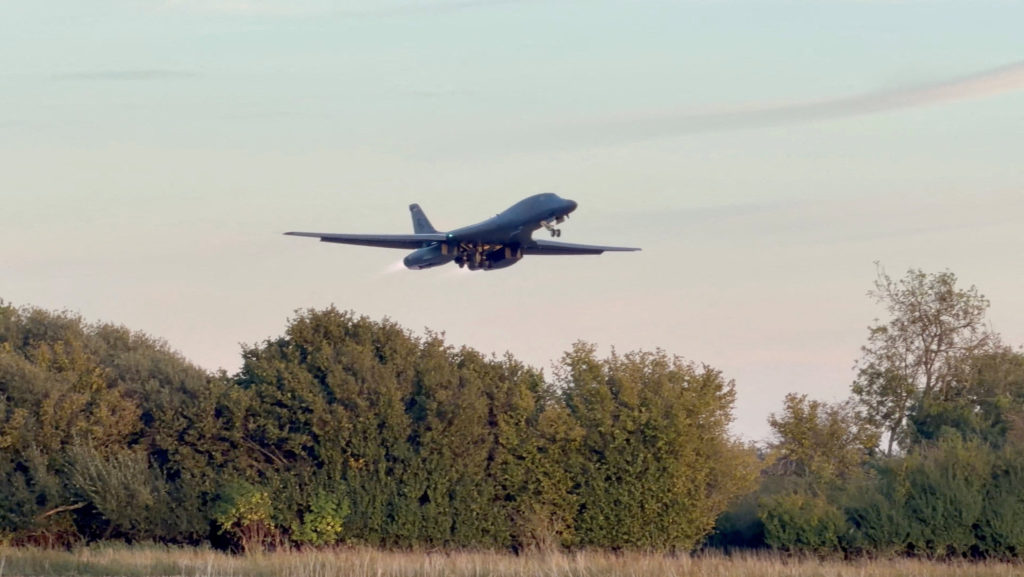
A suspected security plot prompted an unusually visible response at RAF Fairford. British police arrested a 22-year-old on suspicion of terrorism offenses connected to a possible attack. The U.S. Air Force then evacuated bombers from the British base over the weekend. The incident matters because military aircraft and bases can be vulnerable while carrying out routine operations. The key mechanism was risk reduction. Moving the bombers removed valuable aircraft from a location authorities feared could be targeted. The article describes the concern as a possible plot involving drones and says the suspected connection was Iranian. It does not report that an attack occurred or that Iran was proven responsible. For now, the reported action is precautionary, not evidence of a completed strike. The arrest and aircraft movement could lead to tighter security, investigations, and temporary changes in flight operations. The facts will depend on what British authorities uncover about the alleged plot.
Based on reporting by PBS NewsHour
What happened at RAF Fairford, and why did the U.S. Air Force move its bombers away from the base?
A suspected security plot prompted an unusually visible response at RAF Fairford. British police arrested a 22-year-old on suspicion of terrorism offenses connected to a possible attack. The U.S. Air Force then evacuated bombers from the British base over the weekend. The incident matters because military aircraft and bases can be vulnerable while carrying out routine operations.
The key mechanism was risk reduction. Moving the bombers removed valuable aircraft from a location authorities feared could be targeted. The article describes the concern as a possible plot involving drones and says the suspected connection was Iranian. It does not report that an attack occurred or that Iran was proven responsible.
For now, the reported action is precautionary, not evidence of a completed strike. The arrest and aircraft movement could lead to tighter security, investigations, and temporary changes in flight operations. The facts will depend on what British authorities uncover about the alleged plot.
What is RAF Fairford, and why do U.S. bombers operate from a British air base?
RAF Fairford is a Royal Air Force installation in Britain. The article identifies it as a British air base where U.S. bombers operate. Such bases matter because they let allies position aircraft closer to areas of interest while sharing facilities, logistics, and security. The source does not provide the base’s full history or its detailed mission.
U.S. bombers can use a British base through cooperation between allied governments and their militaries. Britain provides territory and an established airfield. The United States supplies aircraft, crews, and missions under agreed rules. This arrangement can support training, deterrence, rapid response, or operations without requiring the United States to build every facility itself.
The reported evacuation shows both the value and the risk of this partnership. A threat at the host base can affect American aircraft and British security at the same time. After the suspected plot, both countries may review access, protection, and the conditions for future bomber deployments.
What is a drone, and why can an unmanned aircraft be a security threat to a military air base?
A drone, or unmanned aircraft, flies without a person onboard. It may be controlled remotely or follow programmed instructions. Drones range from small commercial quadcopters to larger military systems. Their low cost, small size, and ability to fly quietly can make them difficult to spot quickly near a military installation.
A drone becomes a security threat when it crosses protected airspace or approaches aircraft, buildings, or personnel. It could collect images, observe security routines, interfere with flight operations, or potentially carry an explosive or other dangerous payload. The article reports concern about a possible drone plot, but it does not describe the drone’s size, capability, or intended target.
Military bases therefore treat unidentified drones seriously, even before an attack occurs. Operators may pause flights, move aircraft, investigate the operator, or use counter-drone systems. The Fairford response shows one option: removing high-value bombers from the threatened location while authorities assess the danger.
How many countries are directly connected to the reported events, and what roles do Britain, the United States, and Iran play?
The reported events directly involve three countries. Britain is the host country and conducted the police investigation. The United States operates the bombers that were moved from RAF Fairford. Iran enters the story through the report’s description of a suspected Iranian drone plot. That wording indicates an allegation, not a confirmed finding.
The roles are distinct. British police arrested a 22-year-old on suspicion of terrorism offenses tied to a possible plot against the base. The U.S. Air Force responded by evacuating bombers over the weekend. The article does not say that Iranian officials admitted involvement, that an attack happened, or that investigators established final responsibility.
This three-country connection matters because allied military activity can create shared security consequences. A threat directed at a British facility can endanger American aircraft, while an alleged foreign connection can raise diplomatic and intelligence concerns. Further arrests, evidence, or official statements could clarify Iran’s role, but the article leaves that question unresolved.
What could happen to military operations and security at the base because of the suspected plot?
A suspected plot can affect military operations even without an attack. Commanders may delay flights, restrict access, increase patrols, and move aircraft to safer locations. These steps protect people and equipment, but they can reduce readiness or complicate planned missions. The Fairford evacuation shows that security concerns can immediately change bomber operations.
The main mechanism is precaution. Bombers are high-value assets, and keeping them at a potentially threatened base could expose them to sabotage or attack. Removing them lowers immediate risk while police and security agencies investigate. The article confirms the arrest and evacuation, but it does not report damage, casualties, or a successful strike.
Longer-term effects could include stronger perimeter controls, counter-drone defenses, intelligence sharing, and revised deployment plans. Operations might resume after officials judge the threat contained. If the investigation finds a credible network, security changes could last much longer. If evidence is weak, some emergency measures may eventually be reduced.
What other ways can military bases detect, block, or defend against drones without evacuating aircraft?
Evacuating aircraft is only one layer of drone defense. Bases can combine radar, cameras, acoustic sensors, radio-frequency monitoring, and human observers to detect and identify unmanned aircraft. Early warning helps commanders distinguish harmless activity from a possible attack and decide how quickly to respond.
After detection, defenders may use geofencing, airspace restrictions, electronic countermeasures, or approved systems that disrupt a drone’s navigation or control link. They may also deploy nets, interceptor drones, or other physical means. Aircraft can be placed in hardened shelters, dispersed across several locations, or protected by additional guards. The best option depends on the drone and local law.
These measures can reduce risk while allowing some operations to continue, but none is perfect. Jamming can affect friendly communications, and physical interception can endanger people on the ground. The article does not say which defenses Fairford used. Authorities may therefore combine detection, protection, and selective aircraft movement rather than rely on one response.
How do agreements between allied countries allow one country’s military to station and operate aircraft from another country’s territory?
Military basing agreements are formal arrangements between countries. They define whether foreign forces may use airfields, what activities are allowed, who has authority, and how costs and security are handled. These agreements let allies cooperate without transferring ownership of the host country’s territory. The article shows this relationship through U.S. bombers operating from a British RAF base.
In practice, Britain provides the installation and host-nation support. The United States brings aircraft, crews, and its own command structure. The two countries coordinate flight permissions, access, maintenance, emergency response, and protection. Separate defense treaties or status-of-forces agreements may govern personnel and legal questions, although the article does not identify the specific documents covering Fairford.
Such arrangements make allied forces more flexible and can strengthen deterrence. They also create shared responsibilities. A threat to the base can affect both countries, as the suspected plot demonstrated. Britain investigates security on its territory, while the United States decides how to protect or reposition its aircraft. Both governments may adjust procedures after the incident.
Key Facts:
📌 British police arrested a 22-year-old over suspected terrorism offenses.
📌 The U.S. Air Force evacuated bombers from RAF Fairford.
📌 Authorities feared a possible attack involving drones.
📌 RAF Fairford is a British Royal Air Force base.
📌 U.S. bombers operate from the installation.
📌 Allied basing combines host-nation territory with American aircraft.
📌 Drones fly without a person onboard.