News · Social Issues
As more Iranian women reject hijab rules, regime looks at new ways to force compliance
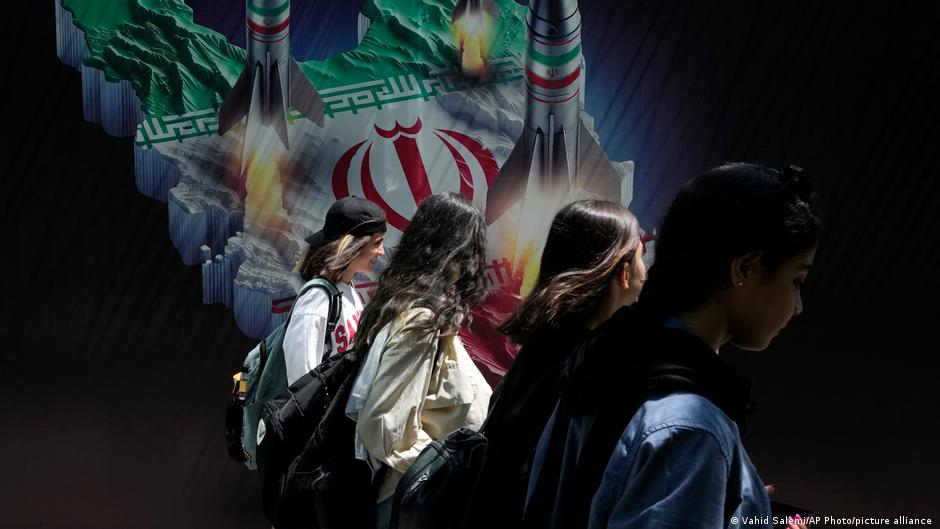
Iran's compulsory hijab rule is a state dress requirement for women in public. It requires them to wear a headscarf and follow official standards of modest dress. The rule matters because authorities treat noncompliance as more than a private clothing choice. It has become a visible test of state authority and social control. The article says women appearing without headscarves are increasingly common. Authorities have not restored the level of enforcement seen before the 2022 protests. Yet the rule has not disappeared. Officials and conservative groups are seeking other ways to pressure women to comply. Enforcement can now involve prosecutors, businesses, workplaces, and everyday services. Some women have reported being denied access to clinics and banks without a headscarf. This suggests the rule is shifting from constant street policing toward broader social and economic pressure.
Based on reporting by DW News
What is the compulsory hijab rule in Iran, and what does it require women to do in public?
Iran's compulsory hijab rule is a state dress requirement for women in public. It requires them to wear a headscarf and follow official standards of modest dress. The rule matters because authorities treat noncompliance as more than a private clothing choice. It has become a visible test of state authority and social control.
The article says women appearing without headscarves are increasingly common. Authorities have not restored the level of enforcement seen before the 2022 protests. Yet the rule has not disappeared. Officials and conservative groups are seeking other ways to pressure women to comply.
Enforcement can now involve prosecutors, businesses, workplaces, and everyday services. Some women have reported being denied access to clinics and banks without a headscarf. This suggests the rule is shifting from constant street policing toward broader social and economic pressure.
How widespread has appearing in public without a hijab become since the 2022 Woman, Life, Freedom protests?
Appearing in public without a hijab has become increasingly common across Iran. The article describes it as one of the most visible social changes since the 2022 Woman, Life, Freedom protests. This does not mean every woman has stopped covering her hair, or that the legal rule has ended. It means public noncompliance is now much more visible and widespread than before.
A key sign is the retreat of morality-police patrols. Authorities have been unable to restore the level of street enforcement that existed before the protests. As a result, women without headscarves can be seen more openly in public spaces. Their visibility challenges official expectations about how women should dress.
The article provides no percentage or national count. Still, the trend has prompted new campaigns and enforcement methods. Conservative groups are trying to resist normalization through consumer pressure, institutions, and services rather than relying only on patrols.
What were the Woman, Life, Freedom protests, and why did they begin?
The Woman, Life, Freedom protests were a major movement challenging Iran's compulsory hijab rule and wider social control. They began after a woman died in police custody after being arrested for allegedly wearing her headscarf improperly. Her death turned anger over dress enforcement into a much larger national protest movement.
The protests focused on women's freedom, dignity, and resistance to coercive policing. They also exposed deep frustration with the state's attempt to regulate women's bodies and public behavior. The movement made compulsory hijab enforcement politically costly and helped weaken the previous pattern of routine street confrontations.
The article says authorities have been unable to restore that earlier enforcement level. Women appearing without headscarves are now increasingly visible. Conservative officials still demand compliance, but many appear wary of repeating confrontations that helped fuel the 2022 protests. The result is a continuing struggle between official rules and changed social behavior.
How are Iranian authorities and conservative groups trying to enforce hijab rules without relying mainly on morality-police patrols?
Iranian authorities and conservative groups are experimenting with fragmented enforcement. Instead of relying mainly on morality-police patrols, they are using prosecutors, police, intelligence bodies, government institutions, businesses, and social pressure. This approach seeks compliance while avoiding the large street confrontations associated with the 2022 protests.
The article gives several examples. Judiciary chief Gholamhossein Mohseni Ejei called for action against alleged social abnormalities, indecency, and nudity. Online campaigns promote “conscious purchasing,” urging consumers to avoid businesses run by women who do not follow the dress code. Supporters instead recommend women who wear hijab.
This creates pressure through access and income. Reports say some women without headscarves have been denied access to clinics and banks. The system is therefore shifting from visible patrols toward workplaces, businesses, services, and social judgment. It preserves the rule while reducing direct police encounters.
What can happen to women who do not wear a hijab when enforcement moves into banks, clinics, workplaces, businesses, and other services?
When hijab enforcement enters everyday services, noncompliant women may lose practical access to parts of public life. The article says some women have reported being denied access to clinics and banks because they were not wearing a headscarf. These are reports from social media, not a quantified national policy, but they show how enforcement can affect essential routines.
Economic pressure is another mechanism. Online campaigns encourage consumers to avoid businesses run by women who do not follow the state dress code. They urge shoppers to support women who do wear hijab. This can threaten sales and turn personal appearance into a condition for commercial participation.
The broader direction is social enforcement beyond police patrols. Workplaces, businesses, and institutions may become gatekeepers for compliance. The article suggests this could deepen social divisions, especially by separating women into officially approved and disapproved groups. It also makes ordinary services part of the clothing dispute.
Why do Iranian officials treat women's clothing as a political or security issue rather than only as a personal choice?
Iranian officials treat women's clothing as political because compulsory hijab is an important ideological boundary for the state. An unveiled woman is not always viewed as someone making an individual choice. According to the article, parts of the political establishment see her as visibly challenging the official social order.
Authorities have spent years distinguishing between women considered properly veiled, badly veiled, or unveiled. Saeed Paivandi says the government is again turning women's bodies into a social, moral, and security issue. Shirin Shams likewise says the state uses clothing to divide women and rebuild a boundary between those who comply and those who do not.
This framing explains the renewed campaigns. They are not only about fabric or appearance. They seek to preserve state authority and prevent public noncompliance from becoming normal. The tension remains sharp: President Pezeshkian speaks about unity, while conservative and judicial figures demand tougher dress enforcement.
How does a government turn a legal rule into a social norm, and what happens when citizens, businesses, and institutions are encouraged to enforce it themselves?
A government can turn a legal rule into a social norm by making compliance visible, rewarding it, and attaching costs to refusal. Police and courts provide formal authority. Businesses, workplaces, and service providers then extend that authority into ordinary interactions. People may follow the rule not only because of punishment, but because access, income, and reputation are at stake.
Iran's campaigns illustrate this mechanism. Supporters promote “conscious purchasing,” telling consumers to avoid businesses run by women who do not observe hijab. Reports also describe women being denied access to clinics and banks without headscarves. These actions shift enforcement from patrols to consumers, institutions, and service providers.
This can make a rule feel socially enforced everywhere, even when police are less visible. It may increase compliance among some people, but it can also divide society and stigmatize dissenters. The article's lawyer warns that identity-based economic pressure deepens divisions rather than creating genuine agreement about social values.
Key Facts:
📌 The rule requires women to cover their hair in public.
📌 Compulsory hijab remains official policy despite weaker street enforcement.
📌 Some enforcement now reaches businesses and everyday services.
📌 Unveiled women are increasingly visible across Iran.
📌 The article provides no numerical estimate of their share.
📌 Authorities have not restored pre-protest street enforcement.
📌 The protests followed a woman's death in police custody.