News · Politics & Governance
Israel marks October 7 anniversary under ceasefire — and weeks before election
A ceasefire usually means opposing sides agree to pause or limit military action. It can create space for aid, negotiations, hostage arrangements, or longer-term peace talks. It does not automatically settle the conflict or remove every armed threat. That is why this ceasefire is described as fragile rather than permanent peace. The article says a US-brokered ceasefire officially began last October. Yet Israeli forces have reportedly killed more than 1,430 people in Gaza since then, according to Gaza’s health ministry. Israel also says it controls more than 60 percent of Gaza and continues airstrikes against Hamas-related threats. The arrangement has therefore reduced or changed the fighting without ending it. Gaza’s humanitarian crisis remains severe, with many people living in tents or temporary structures. Continued deaths, military control, and unresolved political questions could all threaten the ceasefire’s survival.
Based on reporting by Malay Mail Malaysia
What does a ceasefire mean, and how can this one be called fragile if violence and deaths are still being reported?
A ceasefire usually means opposing sides agree to pause or limit military action. It can create space for aid, negotiations, hostage arrangements, or longer-term peace talks. It does not automatically settle the conflict or remove every armed threat. That is why this ceasefire is described as fragile rather than permanent peace.
The article says a US-brokered ceasefire officially began last October. Yet Israeli forces have reportedly killed more than 1,430 people in Gaza since then, according to Gaza’s health ministry. Israel also says it controls more than 60 percent of Gaza and continues airstrikes against Hamas-related threats.
The arrangement has therefore reduced or changed the fighting without ending it. Gaza’s humanitarian crisis remains severe, with many people living in tents or temporary structures. Continued deaths, military control, and unresolved political questions could all threaten the ceasefire’s survival.
How many people were killed or taken hostage in the October 7 attack, and how many Palestinians have been killed in the war that followed?
The October 7, 2023 assault caused mass deaths and a large hostage-taking operation. An AFP tally based on official Israeli figures counted 1,221 people killed in Israel. Militants also dragged 251 hostages into Gaza, with 44 already reported dead. These figures explain why the attack remains central to Israel’s national mourning and politics.
Israel responded with a major military offensive in Gaza. Gaza’s health ministry says more than 74,200 Palestinians have been killed during the three-year war. The ministry operates under Hamas authority, but the article says the United Nations considers its figures reliable. The figures describe a vastly larger loss of life in Gaza after the initial attack.
The totals also show the conflict’s unequal and expanding human cost. More than 1,430 additional deaths have reportedly occurred in Gaza since the ceasefire began. Civilians still face displacement, damaged homes, and unsafe temporary shelter.
Why are the anniversary memorials especially significant this year, given the ceasefire and the upcoming Israeli election?
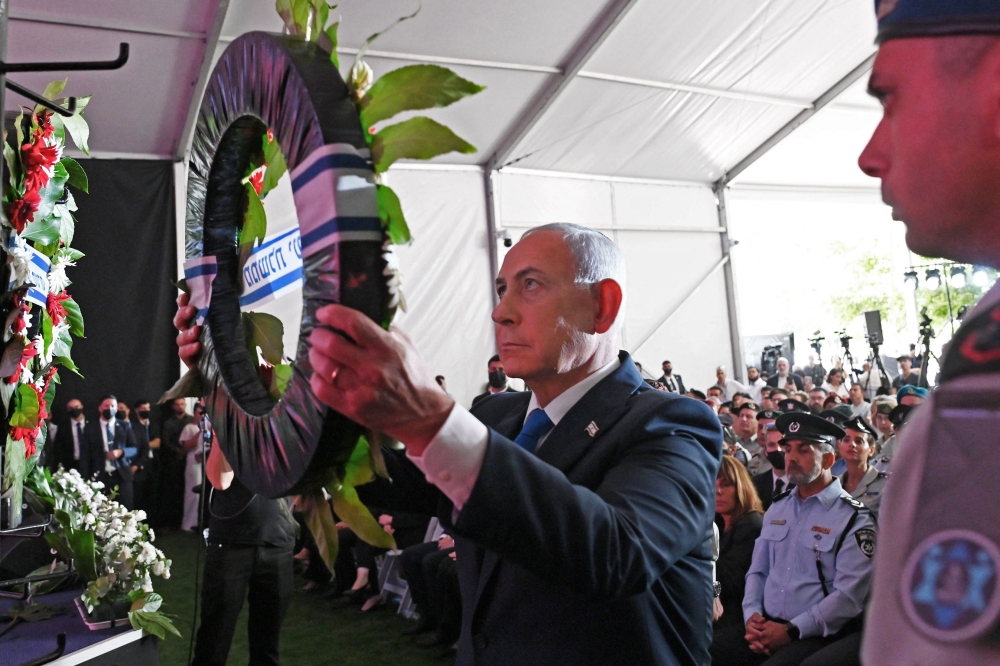
The memorials matter because October 7 remains the deadliest day in Israel’s history. Families are honoring people killed during the attack and remembering those abducted from southern communities and the Nova festival. This year’s ceremonies also occur after a ceasefire officially began, creating a moment to reflect on both the original assault and the war that followed.
The political timing makes the observances especially important. Israel’s general election is three weeks away, so the attack, the hostage crisis, military policy, and Gaza’s future are likely to influence voters. Prime Minister Benjamin Netanyahu has already said there will be no Hamas rule in Gaza and vowed to keep targeting attackers and hostage-takers.
The anniversary also carries immediate security concerns. Authorities are holding events under heightened protection after intelligence warnings and a foiled attack on a passenger plane. Public remembrance will therefore unfold alongside arguments about responsibility, security, and Israel’s next choices.
Why are Israeli authorities placing the country on high alert during the anniversary events?
Israeli authorities are on high alert because anniversaries can become symbolic moments for renewed attacks. The defence minister said intelligence indicated Hamas intended to try attacks against Israeli troops in Gaza on October 7. Officials therefore want to protect soldiers, civilians, memorial sites, and public gatherings during a sensitive day.
The article gives two concrete reasons for extra caution. First, the warning specifically concerns Hamas activity against troops in Gaza. Second, a Tel Aviv-bound passenger plane attack was foiled one week earlier. Events at Kfar Aza, the Nova festival site, and a Tel Aviv park could also draw many mourners and require extensive security.
High alert does not mean an attack is certain. It means authorities are preparing for a credible risk while the ceasefire remains fragile. Any new assault could cause casualties, disrupt commemorations, and further damage the already unstable ceasefire and wider regional situation.
How did the October 7 attack lead to Israel’s military offensive in Gaza, and what consequences has that offensive had for civilians?
The October 7 attack began when Palestinian fighters breached the Gaza border and attacked southern Israel with gunfire, rockets, and grenades. They killed 1,221 people and took 251 hostages, according to the article. Israel responded by launching a massive military offensive, saying it aimed to eliminate Hamas threats and target those involved in the assault or hostage-taking.
The offensive has had enormous consequences for Gaza’s civilian population. The territory is described as mostly in ruins. Gaza’s health ministry reports more than 74,200 Palestinian deaths, while hundreds of thousands remain in tents or temporary structures. The article also reports more than 1,430 deaths since the ceasefire began.
These effects extend beyond battlefield casualties. Homes, services, and infrastructure have been badly damaged, and humanitarian conditions remain dire. Continued airstrikes and unresolved security goals mean civilians face ongoing danger, even as the ceasefire reduces some fighting.
Who are Hamas, the Israeli government and military, and Gaza’s health ministry, and what role does each play in this conflict?
Hamas is the Islamist movement that led the armed assault from Gaza on October 7. Its fighters breached Israel’s border, killed people, and seized hostages. Israel’s government, led in the article by Prime Minister Benjamin Netanyahu, sets the country’s political and military objectives. It says Hamas must not rule Gaza and that attackers and hostage-takers will be targeted.
The Israeli military carries out those objectives. It launched the offensive in Gaza, continues airstrikes, and operates against what Israel describes as Hamas threats. Gaza’s health ministry has a different role: it records and reports Palestinian deaths and other health impacts from the war. The article says the ministry is under Hamas authority.
That institutional link matters when readers assess casualty data. The United Nations considers the ministry’s figures reliable, according to the article, but the source remains connected to Gaza’s governing authority. The actors therefore have different powers, aims, and perspectives in the conflict.
Why is deciding who governs Gaza and how it will be rebuilt so difficult even after the fighting decreases?
Ending or reducing fighting does not answer who should govern Gaza or how it should recover. A governing arrangement would need to address security, political authority, borders, and daily services. Reconstruction would also require repairing homes and infrastructure after a war that has left most of the territory in ruins. Those decisions affect both Israelis seeking security and Palestinians needing a workable civilian future.
The article shows why agreement is difficult. Israel says there will be no Hamas rule in Gaza and says it controls more than 60 percent of the territory. It also continues airstrikes and targets people linked to the October 7 attack. Meanwhile, Gaza’s political future and reconstruction remain largely stalled in practice.
The humanitarian emergency makes delay more damaging. Hundreds of thousands are living in tents or temporary structures, and deaths have continued since the ceasefire. Until security demands, political control, and rebuilding plans are reconciled, reduced fighting may not produce stable governance or lasting recovery.
Key Facts:
📌 A ceasefire pauses or reduces fighting but does not necessarily create peace.
📌 More than 1,430 people were reportedly killed in Gaza since the ceasefire.
📌 Gaza’s humanitarian situation remains dire despite the ceasefire.
📌 The October 7 attack killed 1,221 people, according to an AFP tally.
📌 Militants took 251 hostages, including 44 already dead.
📌 More than 74,200 Palestinians were reportedly killed in the ensuing war.
📌 This is the first anniversary since the Gaza ceasefire began.