News · Markets & Finance
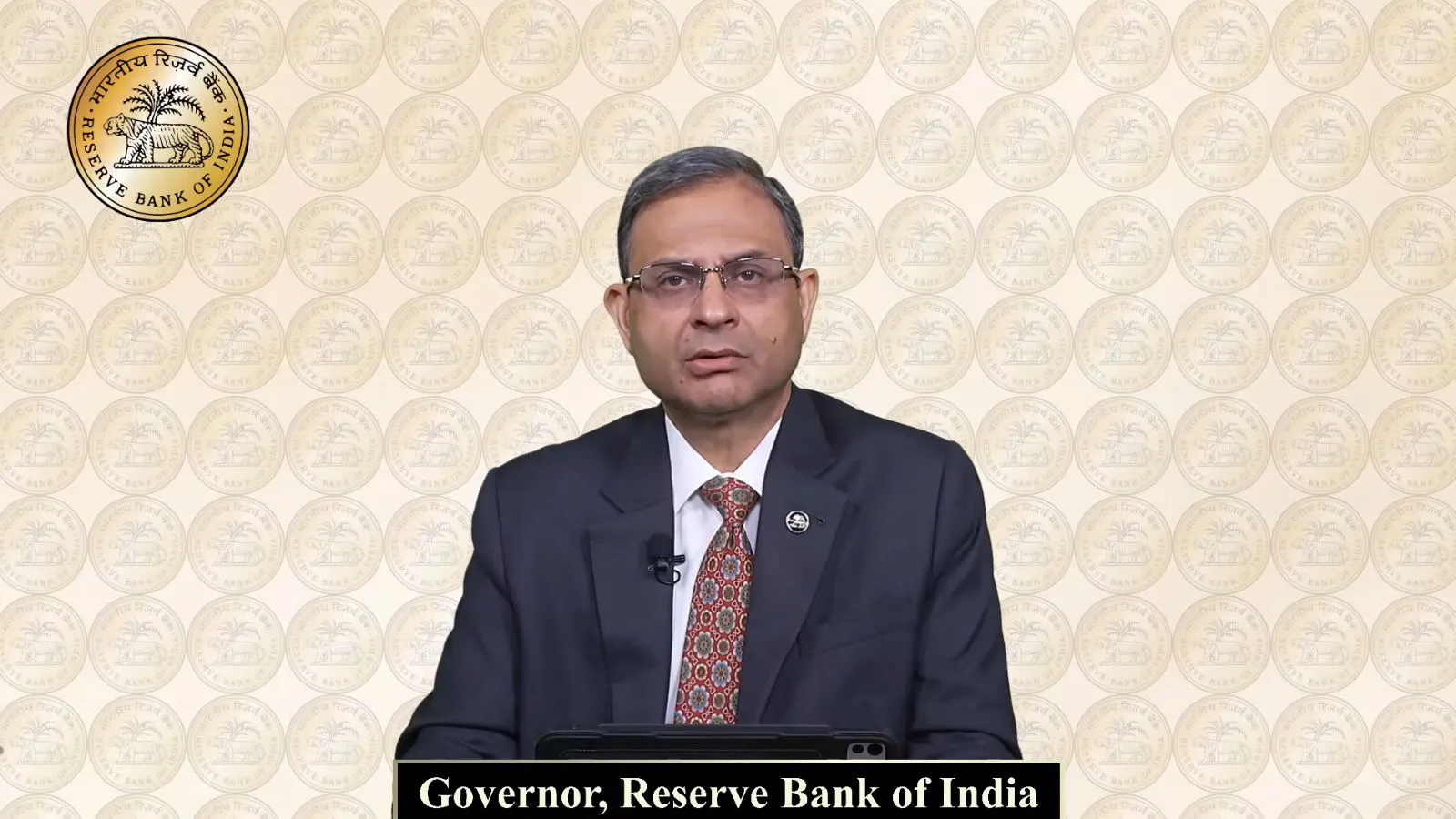
RBI Monetary Policy Meeting October 2026 LIVE: Will Governor Sanjay Malhotra hike interest rate after 4 pauses?
The repo rate is the RBI’s short-term lending rate for banks. It is a key monetary-policy tool because it influences how expensive money becomes across the economy. When the RBI changes this rate, banks reassess their own lending and deposit rates. For example, if the repo rate rises, banks may face higher funding costs. They can pass those costs to borrowers through costlier home, vehicle, or business loans. Higher monthly payments may make people postpone purchases, while companies may delay projects that no longer earn enough after financing costs. The article says the last repo-rate increase was 25 basis points in February 2023, taking the rate to 6.50%. It also says markets feared another hike amid inflation and currency pressures. Conversely, an unchanged or lower rate can support borrowing, investment, and demand, although excessive easing may add to price or currency pressures.
Based on reporting by Indian Express
What is the RBI repo rate, and why can changing it affect borrowing costs?
The repo rate is the RBI’s short-term lending rate for banks. It is a key monetary-policy tool because it influences how expensive money becomes across the economy. When the RBI changes this rate, banks reassess their own lending and deposit rates.
For example, if the repo rate rises, banks may face higher funding costs. They can pass those costs to borrowers through costlier home, vehicle, or business loans. Higher monthly payments may make people postpone purchases, while companies may delay projects that no longer earn enough after financing costs.
The article says the last repo-rate increase was 25 basis points in February 2023, taking the rate to 6.50%. It also says markets feared another hike amid inflation and currency pressures. Conversely, an unchanged or lower rate can support borrowing, investment, and demand, although excessive easing may add to price or currency pressures.
What decision was the RBI Monetary Policy Committee expected to announce on October 7, 2026?
On October 7, the RBI Governor was expected to announce the decisions from the MPC’s three-day meeting. The central question was whether the committee would raise the repo rate to address inflation and currency concerns, or leave it unchanged to support economic stability and borrowing.
The article presents divided expectations. Market expert Sharad Kohli said a 25-basis-point increase was widely expected, partly because the US Federal Reserve had become more hawkish and India’s CPI inflation was 4.82%. Bank of Baroda economist Madan Sabnavis instead expected another pause, followed by possible increases in December.
Therefore, the article did not establish a final outcome before the announcement. Real-estate leaders preferred no change, saying stability would protect homebuyer confidence. Fund managers, however, expected a hike because of rupee depreciation and difficulty attracting foreign money.
How large were the RBI’s four rate cuts in 2025, and how long had it kept rates unchanged afterward?
The article says the RBI reduced its policy rate four times during 2025. Together, those cuts totalled 125 basis points, or 1.25 percentage points. A basis point equals one-hundredth of a percentage point, so 125 basis points is a substantial cumulative reduction.
After those cuts, the RBI entered a prolonged pause. That means it left the repo rate unchanged through several policy decisions rather than continuing to reduce or immediately raise it. The pause gave banks, borrowers, and markets time to adjust to the lower-rate environment.
The article does not specify exactly how many months the pause had lasted. It says a new hike would represent a stance reversal after the four cuts and the extended period of stability. The last increase before this debate occurred in February 2023, when the repo rate reached 6.50%.
Why are rising CPI inflation, food prices, and crude oil costs important to the RBI’s interest-rate decision?
CPI inflation measures how quickly consumer prices are rising. Food prices matter especially because food takes a large share of household budgets, making inflation immediately painful. Crude oil matters because it affects fuel, transport, manufacturing, and many everyday goods. Together, these pressures can make inflation broad and persistent.
The article links West Asia’s prolonged conflict with higher crude costs and wider macroeconomic concerns. Persistent food inflation has also kept retail-price growth volatile. If the RBI raises rates, borrowing and spending may slow, reducing demand pressure. This can help prevent temporary price increases from becoming entrenched.
The trade-off is important. Higher rates can raise financing costs for homes and businesses and weaken investment. The MPC therefore has to judge whether inflation risks require tighter policy or whether stability and growth argue for a pause. The article reports CPI inflation at 4.82% and describes expectations of both outcomes.
What happens to home loans, business investment, and the stock market when the repo rate rises?
When the repo rate rises, banks may increase lending rates. Homebuyers then face higher interest payments, while businesses pay more to finance expansion, equipment, or working capital. Reduced borrowing can cool demand and help control inflation, but it may also slow investment and economic activity.
For instance, the article says even a marginal home-loan increase could influence first-time and middle-income buyers. Sterling Developers warned that higher rates might affect festive-season purchases. Companies also reassess projects when their cost of capital rises. In markets, investors may sell shares because expensive credit can reduce profits and safer interest-bearing assets become more appealing.
The article reports that Indian stocks opened down 0.6% on the Sensex and 0.7% on the NSE ahead of the decision. These moves reflected concern, not proof of a final outcome. An unchanged rate could preserve buyer confidence, investment activity, and market stability.
Why might the RBI focus on supporting the rupee and attracting foreign currency inflows as well as controlling inflation?
The RBI may care about the rupee because currency movements affect inflation and financial stability. If the rupee depreciates, imported goods and commodities become costlier in rupee terms. This is especially significant for crude oil, whose higher price can spread through transport, production, and household expenses.
The article quotes DSP Mutual Fund’s Sandeep Yadav saying the RBI is highly vigilant about the currency. He argued that India has difficulty attracting foreign money and that weak forex inflows previously constrained bank deposits. When deposits lag credit growth, banks may face funding pressure, and interest rates can rise even without an official repo-rate increase.
Foreign-currency inflows can ease those pressures by supporting the rupee and improving external financing conditions. However, the article also notes that inflation remains volatile and difficult to forecast. The RBI therefore has to balance currency defence, price stability, liquidity, and economic growth rather than focus on one measure alone.
How do central-bank interest rates influence inflation, economic growth, currency values, and household spending over time?
Interest rates influence the price of money. When a central bank raises rates, loans become more expensive and saving becomes more attractive. Households may postpone homes or large purchases, and companies may reduce investment. Weaker demand can gradually ease inflation. Lower rates work in the opposite direction by encouraging borrowing, spending, and growth.
Rates can also affect currency values. Higher returns may attract foreign funds and support the domestic currency, while lower returns can reduce demand for it. A stronger currency makes imports cheaper, which may reduce inflation. The article connects this mechanism with concerns about rupee depreciation, foreign inflows, and crude-oil costs.
These effects take time and are not automatic. Banks must pass policy changes to customers, and the article notes that delayed monetary transmission can raise interest rates unevenly. The RBI must therefore balance inflation control with growth, investment, homebuyer confidence, and financial stability.
Key Facts:
📌 The repo rate is the RBI’s short-term lending rate for banks.
📌 Higher repo rates can increase banks’ funding and loan costs.
📌 India’s last repo-rate hike was 25 basis points in February 2023.
📌 The RBI Governor was scheduled to announce the MPC decision at 10 AM.
📌 Sharad Kohli expected at least a 25-basis-point rate increase.
📌 Some economists expected another pause before possible December hikes.
📌 The RBI made four rate cuts during 2025.