News · Economy & Business
Budget puts public finances on a 'worse trajectory'
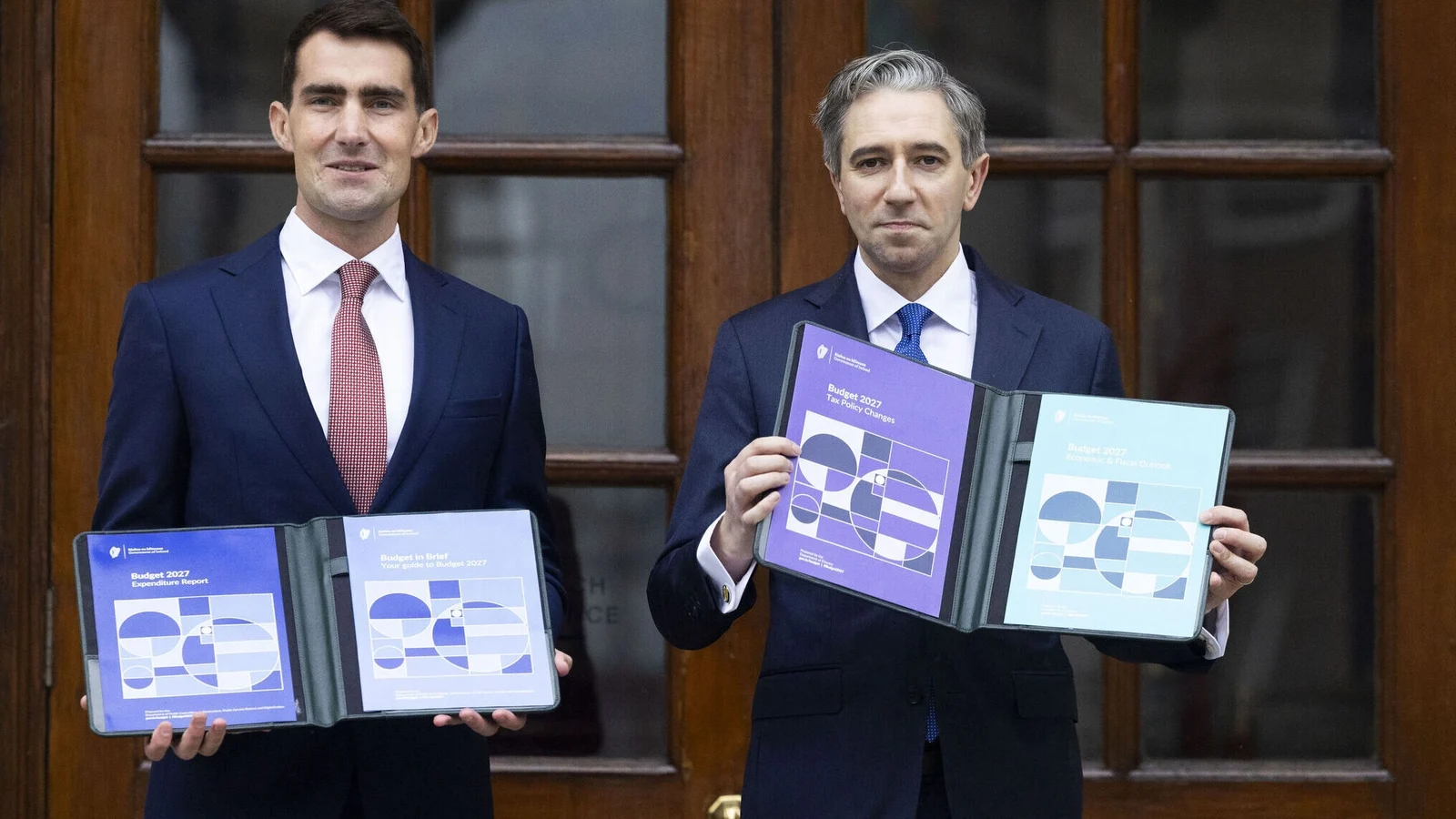
A “worse trajectory” means public finances are becoming less secure over time. The Government may still have money available today, but its plans create bigger future pressures. That matters because spending commitments can become difficult to maintain when revenues weaken or the economy slows. In this case, spending has been growing far beyond the sustainable 5% annual limit. It reached about 10% in recent years and is expected to be almost 9% in 2026. The Council also points to deficits rising from €12 billion in 2026 to €20 billion in 2030. The concern is therefore about direction, not just one year’s result. The Council says the Government is using risky corporation tax receipts for permanent tax cuts and current spending. It warns that this leaves less money to prepare for ageing costs or a recession, potentially forcing future cutbacks or tax increases.
Based on reporting by RTE Ireland
What does it mean for a government’s public finances to be on a “worse trajectory”?
A “worse trajectory” means public finances are becoming less secure over time. The Government may still have money available today, but its plans create bigger future pressures. That matters because spending commitments can become difficult to maintain when revenues weaken or the economy slows.
In this case, spending has been growing far beyond the sustainable 5% annual limit. It reached about 10% in recent years and is expected to be almost 9% in 2026. The Council also points to deficits rising from €12 billion in 2026 to €20 billion in 2030.
The concern is therefore about direction, not just one year’s result. The Council says the Government is using risky corporation tax receipts for permanent tax cuts and current spending. It warns that this leaves less money to prepare for ageing costs or a recession, potentially forcing future cutbacks or tax increases.
How quickly has government spending been growing compared with the 5% annual limit, and how large are the planned deficits by 2030?
The Fiscal Advisory Council says Government spending has been growing much faster than its own sustainable limit. The limit was set at 5% in 2021. Governments later budgeted for 6% increases, but actual spending growth reached about 10%, or twice the recommended speed. The figures suggest growth of almost 9% in 2026.
The difference matters because fast spending growth can make permanent commitments harder to fund. It can also leave less room to respond when tax receipts fall, interest costs rise, or the economy enters a downturn. The Council is assessing spending after tax measures are taken into account.
The borrowing outlook is also worsening in the Council’s analysis. After stripping out excess corporation tax, it identifies plans for larger deficits. These are expected to rise from €12 billion in 2026 to €20 billion in 2030, increasing the Government’s reliance on borrowing.
Why does the Fiscal Advisory Council say that relying on corporation tax to fund permanent spending is risky?
The Council considers corporation tax risky because these receipts can be unusually concentrated and vulnerable to changes in business profits, company decisions, or economic conditions. Permanent tax cuts and spending commitments, however, continue every year. Matching lasting promises with uncertain income can weaken the public finances.
The article gives a striking example: the Government plans to spend about six in every seven euros of corporation tax collected. Most of that money will support current spending, rather than being saved. Current spending includes ongoing commitments that are difficult to reverse quickly.
The Council says more of these receipts should go into long-term savings. That would make the tax base more secure and help cover future ageing costs. It would also give the State greater protection during a recession, reducing the chance of painful spending cuts or sharp tax increases.
What could happen if corporation tax receipts fall while the government is committed to ongoing tax cuts and public spending?
A fall in corporation tax would reduce revenue without automatically reducing the Government’s ongoing commitments. Tax cuts, welfare payments, public services, and other current spending would still need funding. This creates a gap between dependable income and promised outgoings.
The mechanism is straightforward. If receipts fall, the Government can borrow more, use savings, raise other taxes, or reduce spending. The Council is especially concerned because the Government plans to use about six in seven corporation-tax euros and has larger deficits planned through 2030.
The immediate result could be higher borrowing and weaker public finances. Over time, debt pressures could limit responses to an economic shock. The Council warns that Ireland might then need painful cutbacks or sharp tax increases. Saving more of the risky receipts would provide a buffer and help meet ageing costs.
What is the Fiscal Advisory Council, and what role does it play in scrutinising Ireland’s Budget?
The Fiscal Advisory Council is an independent statutory body that assesses Ireland’s public finances. Its role is to examine Government budget plans and highlight risks to sustainability. It does not set the Budget, but it provides an external assessment of whether policies are prudent.
For Budget 2027, it published a flash analysis titled “Fast and Loose”. It criticised spending growth, saying increases net of tax measures had been running at a blistering pace. It also examined the Government’s use of corporation tax and its plans for larger deficits.
This scrutiny gives the public and policymakers an independent measure of budgetary risk. In the article, the Council says the Government should save more risky corporation-tax receipts. Taoiseach Micheál Martin disagreed with its analysis but said the Government would take the Council’s comments very seriously.
Why do the Taoiseach and the Fiscal Advisory Council disagree about whether the 5% spending rule is realistic?
The disagreement is about what spending growth should be measured against. The Fiscal Advisory Council says a sustainable speed limit of 5% was established in 2021, but actual increases have been far higher. It views repeated breaches as worsening the public-finance trajectory.
Taoiseach Micheál Martin takes a different view. He says the Government is within a 6% expenditure increase for 2027, including a €1.6 billion unallocated contingency fund. He also argues that a spending rule should reflect economic growth, population growth, and inflation.
The two sides therefore emphasise different tests. The Council focuses on a fixed sustainability limit and the risks of permanently high spending. Mr Martin focuses on whether the economy can support higher expenditure and whether the Government can stay within its current plan. He still said the Government would take the Council’s concerns seriously.
How do government borrowing, tax revenue, economic growth and long-term savings work together to keep public finances sustainable?
Government collects taxes to fund public services, welfare, and other commitments. Economic growth can raise employment, profits, and tax revenue, making borrowing easier to manage. But growth is not guaranteed, so spending plans must not depend too heavily on unusually strong receipts.
Borrowing can finance temporary needs or investment, but persistent borrowing adds debt and future interest costs. Long-term savings work as a buffer. In the article, the Council says Ireland should save more corporation-tax receipts rather than use most of them for current spending. Those savings could support future ageing costs.
The balance becomes especially important during a recession. Revenue may fall while demands on public services rise. Savings can reduce the need for emergency borrowing, sudden tax increases, or sharp spending cuts. The article says the Government’s planned deficits rise from €12 billion in 2026 to €20 billion in 2030, making that balance more difficult.
Key Facts:
📌 A worse trajectory means public finances are becoming less sustainable over time.
📌 Spending reached about 10%, double the 5% sustainable limit.
📌 Planned deficits rise from €12bn in 2026 to €20bn in 2030.
📌 The sustainable spending limit was set at 5% in 2021.
📌 Actual spending growth reached about 10%, twice the limit.
📌 Planned deficits increase from €12bn in 2026 to €20bn in 2030.
📌 Corporation tax receipts are considered high-risk and potentially volatile.