News · Economy & Business
World Bank: Fuel price to slow Nigeria’s poverty reduction
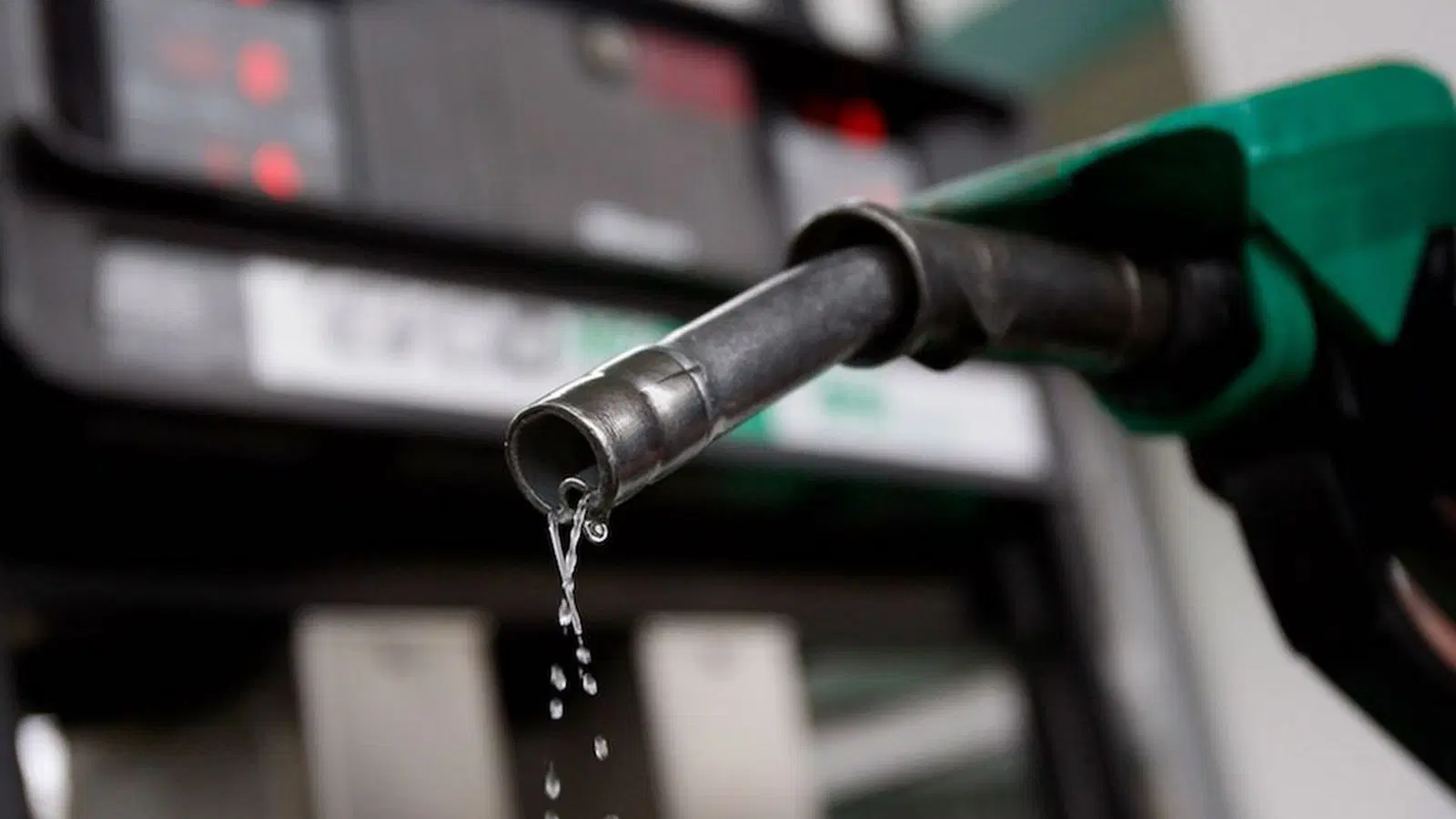
The World Bank’s warning is about the quality of Nigeria’s recovery. Economic growth is expected to strengthen, and inflation should decline, but expensive fuel could prevent many households from feeling meaningful relief. That matters because poverty reduction depends on incomes rising faster than essential living costs. Fuel affects transport, food distribution, cooking, electricity generation and business operations. When fuel becomes more expensive, these costs can spread through the economy. Low-income families usually have less savings and spend more of their income on necessities, leaving less for food, healthcare, education or investment. The bank projects inflation will fall from 23.0 percent in 2025 to 15.7 percent in 2026. However, it says elevated fuel prices linked to the Middle East conflict could constrain improvements in living conditions. Growth alone may therefore not deliver broad poverty relief.
Based on reporting by Vanguard Nigeria
What did the World Bank warn about Nigeria’s fuel prices and poverty reduction?
The World Bank’s warning is about the quality of Nigeria’s recovery. Economic growth is expected to strengthen, and inflation should decline, but expensive fuel could prevent many households from feeling meaningful relief. That matters because poverty reduction depends on incomes rising faster than essential living costs.
Fuel affects transport, food distribution, cooking, electricity generation and business operations. When fuel becomes more expensive, these costs can spread through the economy. Low-income families usually have less savings and spend more of their income on necessities, leaving less for food, healthcare, education or investment.
The bank projects inflation will fall from 23.0 percent in 2025 to 15.7 percent in 2026. However, it says elevated fuel prices linked to the Middle East conflict could constrain improvements in living conditions. Growth alone may therefore not deliver broad poverty relief.
How much does the World Bank expect Nigeria’s growth and inflation rates to change between 2025 and 2026?
The World Bank expects Nigeria’s economy to improve modestly between 2025 and 2026, while inflation declines much more sharply. Growth is projected to increase from 4.0 percent to 4.3 percent, a gain of 0.3 percentage points. Inflation is expected to fall from 23.0 percent to 15.7 percent, a 7.3-point reduction.
These figures describe different changes. Faster growth means the economy is producing more goods and services. Lower inflation means prices are still rising, but at a slower pace than before. The bank links the improvement to stronger macroeconomic stability, better investor confidence and recovering private investment.
The forecast is positive but not risk-free. Services, especially finance, ICT and real estate, remain key growth drivers. Agricultural activity is expected to recover, while weaker oil and manufacturing momentum may moderate industrial growth.
What factors are keeping fuel prices elevated, and why are Middle East conflicts able to affect them?
Fuel prices can remain elevated when global crude oil prices rise or when traders fear future supply disruptions. The World Bank specifically links Nigeria’s fuel-price pressure to the conflict in the Middle East. Conflicts in a major oil-producing region can therefore affect energy costs worldwide, even when fighting does not occur in Nigeria.
The mechanism is straightforward. Fears about attacks, shipping interruptions or reduced production can make oil markets expect tighter supply. Traders may bid prices higher, and refiners and transport companies then face increased costs. Those costs can eventually reach motorists, businesses and households through higher fuel prices.
The article does not identify a separate domestic cause for the increase. It says the conflict continues to weigh on low-income households. Higher international oil prices may help Nigeria’s oil earnings, but they can also make daily living and production more expensive.
How do higher fuel prices make it harder for low-income households to improve their living standards?
Fuel is an input into much of daily life, not just a cost for motorists. It powers transport and can affect electricity generation, farming, deliveries and business operations. When fuel prices rise, these costs can spread through supply chains and push up the prices of essential goods and services.
A family may pay more to travel to work, send children to school or buy food brought from distant markets. Businesses may also raise prices to cover more expensive transport and production. Low-income households are especially exposed because necessities take up most of their budgets, so they have little room to absorb another increase.
The World Bank therefore expects lower inflation to support purchasing power and gradually reduce poverty, but warns that elevated fuel prices could slow that progress. Living standards may improve more slowly even if the wider economy grows.
Why can higher international oil prices strengthen Nigeria’s government finances while also hurting Nigerian households?
Nigeria can benefit financially when international oil prices rise because oil exports may generate stronger earnings. More export revenue can improve the government’s fiscal position and increase foreign exchange entering the country. The World Bank says higher oil prices could support Nigeria’s fiscal and external accounts.
The same price increase can hurt households because fuel is tied to global energy markets. More expensive fuel raises transport and operating costs for businesses. Those businesses may pass the increases on through higher prices for food, services and other necessities. Families then lose purchasing power, especially when their incomes do not rise equally quickly.
This creates a clear trade-off. The bank projects Nigeria’s current-account surplus will widen from 4.8 percent of GDP in 2025 to 6.0 percent in 2026. Yet it warns that elevated fuel prices can still delay poverty reduction and harm low-income households.
What is pre-election government spending, and how could it weaken Nigeria’s economic reforms before the 2027 elections?
Pre-election government spending means a rise in public expenditure before an election, in this case Nigeria’s 2027 general elections. Such spending can include expanded programmes, transfers, projects or other measures designed to respond to voters’ concerns. The concern is not that all public spending is harmful, but that election pressure can encourage poorly timed or unsustainable decisions.
Large spending increases can widen deficits, fuel demand and make inflation or debt pressures harder to control. They may also reduce the government’s willingness to maintain difficult reforms, such as measures that improve fiscal stability or correct economic imbalances. Short-term political gains can therefore conflict with long-term adjustment.
The World Bank identifies rising pre-election spending as a major domestic downside risk. It says this could weaken reform momentum and erode the social consensus needed to sustain Nigeria’s macroeconomic adjustment before 2027.
What is inflation, and why does a lower inflation rate improve purchasing power even if prices do not actually fall?
Inflation measures how quickly the general price level for goods and services is rising. It does not mean every price changes equally, and a lower inflation rate does not automatically reverse earlier price increases. If inflation falls from 23.0 percent to 15.7 percent, prices are still rising, but at a slower annual pace.
Slower price growth can improve purchasing power because wages, savings and household budgets face less pressure. For example, if income remains unchanged, a basket of essentials may become more affordable than it would under faster inflation. The benefit is strongest when incomes also begin to catch up with prices and when essential costs stabilize.
The World Bank expects Nigeria’s lower inflation to support household purchasing power and gradually reduce poverty. It attributes the projected decline partly to monetary tightening, exchange-rate stabilization and improving supply conditions, while warning that fuel prices could limit the gains.
Key Facts:
📌 Fuel prices could slow Nigeria’s poverty reduction.
📌 Low-income households feel fuel increases disproportionately.
📌 Inflation is projected to fall to 15.7 percent in 2026.
📌 Growth rises from 4.0 percent to 4.3 percent.
📌 Inflation falls from 23.0 percent to 15.7 percent.
📌 The inflation decline is 7.3 percentage points.
📌 The World Bank links elevated fuel prices to Middle East conflict.