News · International Relations
Hungary’s Ukraine Reset Off to a Shaky Start
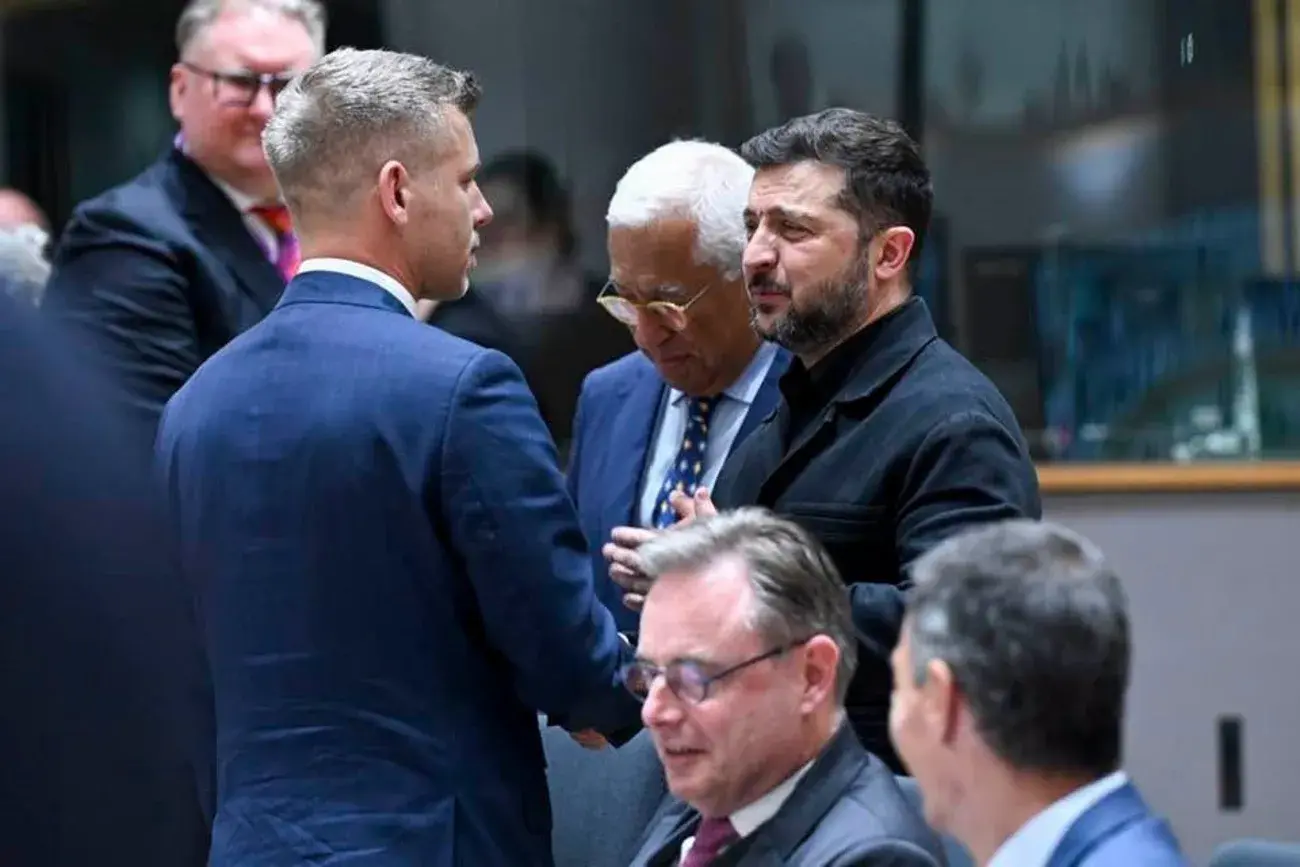
Hungary’s promised reset with Ukraine looks unstable because Budapest has paired friendly agreements with fresh political obstacles. Magyar’s government initially presented itself as a break from Viktor Orbán’s anti-Ukrainian policies and sought closer ties with the EU and Ukraine. The clearest setback is Hungary’s refusal to approve new EU negotiating clusters for Ukraine. Budapest has also linked progress to minority-rights reforms, although Kyiv says those reforms should be assessed through normal EU procedures. Magyar further said a Ukrainian petroleum storage facility would not be built in Hungary under Tisza rule. Budapest also declined to join the Carpathian Eight, a new regional format involving Ukraine and seven other countries. Together, these decisions show that the reset remains conditional and vulnerable to disputes over minority rights, energy policy, and regional cooperation.
Based on reporting by Jamestown
What has Hungary done recently that makes its promised reset with Ukraine look unstable?
Hungary’s promised reset with Ukraine looks unstable because Budapest has paired friendly agreements with fresh political obstacles. Magyar’s government initially presented itself as a break from Viktor Orbán’s anti-Ukrainian policies and sought closer ties with the EU and Ukraine.
The clearest setback is Hungary’s refusal to approve new EU negotiating clusters for Ukraine. Budapest has also linked progress to minority-rights reforms, although Kyiv says those reforms should be assessed through normal EU procedures. Magyar further said a Ukrainian petroleum storage facility would not be built in Hungary under Tisza rule.
Budapest also declined to join the Carpathian Eight, a new regional format involving Ukraine and seven other countries. Together, these decisions show that the reset remains conditional and vulnerable to disputes over minority rights, energy policy, and regional cooperation.
How many times has Hungary blocked progress on Ukraine’s EU accession talks since the first negotiating cluster opened?
Hungary blocked progress on Ukraine’s EU accession talks four times after the first negotiating cluster opened on June 15. The fourth blockage occurred on September 8, making the number a direct measure of how frequently Budapest has used the negotiations as leverage.
Hungarian diplomats said approval of new clusters depends on Kyiv implementing commitments protecting the Hungarian minority in Zakarpattia. Ukraine objected, arguing that minority-rights implementation should not become a new condition for opening unrelated negotiating clusters.
The repeated blockages matter because EU accession negotiations advance through formal clusters. If one member state withholds approval, progress can slow even when other EU governments support moving forward. The article says Hungary’s position could also affect whether Ukraine’s and Moldova’s accession bids remain linked or become decoupled.
What is an EU accession negotiating cluster, and why does opening one matter for a country seeking membership?
An EU accession negotiating cluster is a group of related policy chapters that the EU examines together during membership talks. The cluster system organizes issues such as institutions, the economy, the environment, or the internal market into broader negotiating areas.
Opening a cluster matters because it formally moves the candidate country into negotiations on those subjects. It allows the EU to set expectations, assess reforms, and track whether the applicant is meeting membership standards. Progress is not automatic; the country must continue implementing laws and policies before areas can advance or close.
In this case, Hungary’s approval is a practical political gate. The article reports that Budapest has refused to open new clusters for Ukraine unless Kyiv implements Hungarian-minority commitments. Kyiv argues that the EU should evaluate those commitments through the existing accession process, rather than through extra Hungarian conditions.
What minority-rights reforms has Ukraine promised to make for ethnic Hungarians in Zakarpattia?
Ukraine’s agreement with Hungary focuses on restoring and expanding the cultural, educational, and language rights of ethnic Hungarians in Zakarpattia. The goal is to address Budapest’s concerns about how Ukraine’s laws affect this concentrated national minority.
The promised reforms include restoring the system of schools for national minorities and allowing Hungarian to be used in education and school communications. In settlements where Hungarians make up more than 10 percent of the population, Ukraine also committed to allowing the free use of Hungarian national symbols.
Ukraine said educational reforms would be implemented by the end of 2026, while legislation on remaining issues would pass by May 2027. The article reports that draft legislation on Hungarian educational rights reached Ukraine’s parliament on October 2, with a vote expected on October 12. Hungary expected legislative progress by late October.
What could happen to Ukraine’s path toward EU membership if Hungary continues to withhold approval?
If Hungary continues withholding approval, Ukraine’s EU accession path could slow because new negotiating clusters may not open. This would delay formal discussions and reduce the pace at which Ukraine can demonstrate compliance with EU standards.
Hungary has made its approval conditional on Ukraine’s implementation of minority-rights commitments. Kyiv rejects that approach and says the EU should assess the commitments through the normal accession process. The dispute therefore concerns both the reforms themselves and who decides whether they have been fulfilled.
The article warns that continued disagreement could also decouple Ukraine’s accession bid from Moldova’s. Ukraine may still pursue reforms and seek support from other EU governments, but the text identifies no guaranteed way around Hungary’s obstruction. The immediate test is Ukraine’s draft minority-rights legislation and the expected parliamentary vote.
What alternatives does Ukraine have for protecting its EU accession process if Hungary keeps linking unrelated negotiations to minority-rights reforms?
Ukraine can protect its accession process first by carrying out the minority-rights agreement. That would remove Hungary’s stated justification for withholding approval, while giving Kyiv evidence that it is meeting its commitments.
A second approach is to insist that the European Union assess implementation through existing accession mechanisms. Ukraine’s Foreign Ministry says Hungary should not impose new conditions on unrelated clusters. Kyiv can also use bilateral meetings and broader EU diplomacy to clarify the agreement and build support for continued negotiations.
The article does not identify a guaranteed legal or procedural way to bypass Hungary. That limitation matters because opening clusters depends on member-state approval. Ukraine’s immediate practical step is therefore legislative progress: it submitted draft educational-rights legislation on October 2, and parliament was expected to vote on October 12. Further reforms are planned through 2027.
Why can the rights of an ethnic minority in one country become an issue affecting international relations and EU enlargement?
Minority rights cross borders because ethnic communities may live in one state while sharing language, culture, or identity with people in a neighboring state. Governments often treat the treatment of such communities as a foreign-policy concern, especially when education and language rules affect daily life.
Here, Hungary says Ukraine must protect and expand the rights of ethnic Hungarians in Zakarpattia. The issue entered EU enlargement because Budapest tied approval of new Ukrainian negotiating clusters to implementation of a bilateral minority-rights agreement. Ukraine argues that the EU should evaluate those reforms through normal accession procedures.
This creates leverage within the enlargement process. A domestic law about schools, language, or national symbols can influence diplomatic relations and the timing of EU negotiations. The article shows that minority protections are therefore not only a national legal matter; they can also shape regional cooperation and Ukraine’s broader European integration.
Key Facts:
📌 Hungary blocked Ukraine’s EU accession progress four times.
📌 Budapest declined to join the Carpathian Eight.
📌 Magyar rejected a Ukrainian petroleum facility under Tisza rule.
📌 Hungary blocked Ukraine’s EU talks four times.
📌 The first cluster opened on June 15.
📌 The fourth blockage occurred on September 8.
📌 Clusters group related EU membership negotiating areas.