News · Defence & Security
Massive attack: Air defenses neutralize 117 drones, five ballistic missiles, 39 cruise missiles
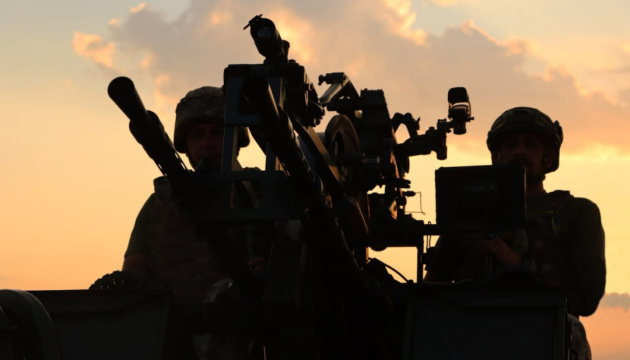
Ukraine’s air defenses confronted a mixed wave of missiles and drones. By 09:00 on October 7, they had shot down or suppressed 161 targets. This included five ballistic missiles, 39 cruise missiles, and 117 drones. The result shows that air defense involved more than destroying aircraft in the sky. It also included electronic suppression and other defensive actions. The neutralized targets came from several weapon families. The missiles included Iskander-M, KN-23, S-400, Zircon, Oniks, Kh-101, Iskander-K, and Kalibr. The drones included Shahed-type attack UAVs, Gerbera drones, and Parodiya decoys. Information about six additional cruise missiles was still being checked. The attack had not fully ended when the report was issued. Up to ten enemy UAVs remained in Ukrainian airspace. Missile and drone strikes hit 18 locations, while debris from intercepted targets fell at five locations.
Based on reporting by Ukrinform English
What targets did Ukraine's air defenses shoot down or suppress during the attack?
Ukraine’s air defenses confronted a mixed wave of missiles and drones. By 09:00 on October 7, they had shot down or suppressed 161 targets. This included five ballistic missiles, 39 cruise missiles, and 117 drones. The result shows that air defense involved more than destroying aircraft in the sky. It also included electronic suppression and other defensive actions.
The neutralized targets came from several weapon families. The missiles included Iskander-M, KN-23, S-400, Zircon, Oniks, Kh-101, Iskander-K, and Kalibr. The drones included Shahed-type attack UAVs, Gerbera drones, and Parodiya decoys. Information about six additional cruise missiles was still being checked.
The attack had not fully ended when the report was issued. Up to ten enemy UAVs remained in Ukrainian airspace. Missile and drone strikes hit 18 locations, while debris from intercepted targets fell at five locations.
What does it mean for air defenses to “neutralize” a drone or missile?
When air defenses “neutralize” a drone or missile, they prevent it from successfully reaching or damaging its intended target. That may happen through physical destruction, such as an interceptor missile or gun, or through suppression, such as electronic interference. The article uses the phrase because not every defensive success necessarily means a weapon exploded in the air.
For example, Ukraine reported 161 neutralized targets by 09:00. These included 117 drones, 39 cruise missiles, and five ballistic missiles. Some targets may have been destroyed directly. Others may have been disrupted, diverted, or made unable to continue effectively. The article does not give a separate breakdown of destruction versus electronic suppression.
This distinction matters during large attacks. A defense system can protect people and infrastructure even when it does not physically destroy every incoming object. However, the report also recorded hits at 18 locations and debris at five, showing that neutralization was substantial but not complete.
How large was the attack, and how many of the reported drones and missiles were neutralized?
The attack was large and involved several weapon types launched from different directions. The article gives exact numbers for 130 Shahed-type and other drones and 48 cruise missiles. It does not state the total number of ballistic missiles launched. Therefore, the documented attack included at least 178 counted drones and cruise missiles, plus additional ballistic missiles.
Ukraine reported neutralizing 117 of the 130 drones. It also shot down or suppressed 39 of the 48 reported cruise missiles, while information about six more cruise missiles was still being clarified. Five ballistic missiles were neutralized, but the article does not provide the number launched, so a complete percentage cannot be calculated.
The attack remained active at 09:00 on October 7. Up to ten enemy UAVs were still in Ukrainian airspace. The scale helps explain why the response used aircraft, missile forces, electronic warfare, unmanned units, and mobile fire groups together.
What were the human and infrastructure consequences of the missiles and drones that reached their targets?
Weapons that penetrated the defenses caused deaths, injuries, and infrastructure damage. The article reports two deaths in Kyiv’s Darnytskyi district, two deaths and seven injuries in Pryluky, and one death and three injuries in Oleksandriia. In Kremenchuk, two people were killed and seven were injured. Together, these reported incidents account for seven deaths and 17 injuries.
The damage was not limited to residential areas. Russian forces attacked critical infrastructure in Oleksandriia, where one person died and three were injured. The article also says missile and attack-drone hits were recorded at 18 locations. Debris from downed targets fell at five other locations, creating additional risks even after interceptions.
These outcomes show why interception rates do not tell the whole story. Air defenses stopped most of the reported drones and many missiles, but some weapons still reached targets. The attack was ongoing, with up to ten UAVs remaining in Ukrainian airspace when the preliminary assessment was released.
Who launched the different weapons, from which areas, and which Ukrainian regions were mainly targeted?
The article attributes the attack to Russian forces. It says Zircon and Oniks anti-ship missiles were launched from Russia’s Rostov region. Iskander-M, S-400, and KN-23 ballistic missiles came from the Bryansk and Voronezh regions. The launch pattern covered several parts of Russia, making the assault broad and difficult to defend against.
The reported cruise missiles had several launch sources. Kh-101 missiles came from the Vologda region, Iskander-K missiles from the Kursk region, and Kalibr missiles from the Caspian Sea. The drones came from Oryol and Primorsko-Akhtarsk in Russia, temporarily occupied Donetsk, and Hvardiiske in temporarily occupied Crimea. The drone group included Shaheds, Gerberas, and Parodiyas.
The main targeted areas were Kyiv, Kharkiv, Poltava, and Dnipropetrovsk regions. Other reported impacts occurred in Chernihiv and Kirovohrad regions. This spread reflects a multi-axis attack aimed at both populated areas and critical infrastructure.
How are ballistic missiles, cruise missiles, attack drones, and decoy drones different from one another?
These weapons differ in how they fly and what they are designed to do. Ballistic missiles are launched at high speed and follow a largely arcing trajectory, although some can maneuver. Cruise missiles use engines and guidance throughout much of their flight, steering through the atmosphere toward a selected target. The article lists both categories in the attack.
Attack drones are unmanned aircraft that can carry explosives and fly toward a target without a pilot aboard. Shahed-type UAVs were among the reported attackers. Decoy drones, such as the listed Gerbera and Parodiya types, are generally used to confuse defenders, draw fire, or make an attack appear larger. Their precise roles in this attack are not separately described in the article.
These differences affect defense. Ballistic missiles may arrive very quickly and demand specialized interceptors. Cruise missiles and drones can require detection across wide areas. Decoys complicate identification and force defenders to decide which objects pose the greatest danger.
How do aircraft, missile systems, electronic warfare, unmanned units, and mobile fire groups work together to defend airspace?
Layered air defense combines several tools because missiles and drones behave differently. Aircraft can patrol, detect, and engage airborne threats. Anti-aircraft missile systems can intercept targets at suitable ranges and altitudes. Electronic warfare can interfere with navigation or control signals. Together, these methods create multiple chances to stop an incoming weapon.
The article says Ukraine also used unmanned systems and mobile fire groups. Unmanned units can help observe or engage threats, while mobile fire groups can move quickly and use weapons suited to low-flying drones. Electronic warfare may suppress a target without physically destroying it. The article does not specify which unit handled each individual target.
This cooperation mattered during a dense attack involving 130 drones, 48 cruise missiles, and additional ballistic missiles. Some targets were shot down, while others were suppressed. The continuing presence of up to ten UAVs showed that defense is an ongoing process, requiring detection, coordination, and rapid decisions.
Key Facts:
📌 Air defenses neutralized 117 drones.
📌 Thirty-nine cruise missiles were neutralized.
📌 Five ballistic missiles were shot down or suppressed.
📌 Neutralization means stopping a weapon from completing its mission.
📌 Some targets are destroyed physically.
📌 Others are suppressed or disrupted electronically.
📌 The attack included 130 drones and 48 reported cruise missiles.