News · Economy & Business
Iran war ends? IMF boss says the energy price pain may not
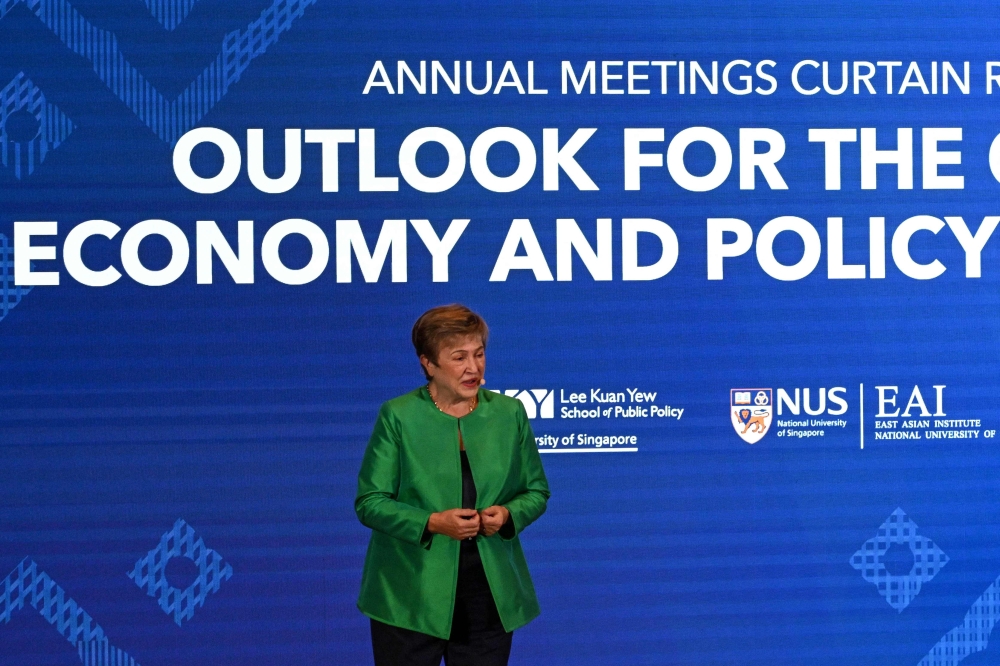
Ending a conflict does not immediately repair energy markets. Supply routes, production decisions, inventories, and purchasing plans may remain disrupted. Traders may also continue pricing in risks until they see stable production and transport. That is why prices can stay elevated after the immediate emergency fades. The article gives a clear example. IMF Managing Director Kristalina Georgieva said Brent futures predict high oil prices through 2027. She also warned that countries may need to replenish reserves. Extra buying can keep demand strong even when the conflict itself is ending. Prices therefore reflect both current supply and expected future conditions. The outlook is especially tense as the Northern Hemisphere cold season approaches. Households and businesses may need more energy, while governments rebuild stockpiles. Georgieva said energy-market difficulties could add to inflation alongside tariffs, defence spending, debt, and artificial-intelligence investment. Policymakers may therefore keep interest rates relatively firm for longer.
Based on reporting by Malay Mail Malaysia
Why might energy prices stay high even if the Iran war ends soon?
Ending a conflict does not immediately repair energy markets. Supply routes, production decisions, inventories, and purchasing plans may remain disrupted. Traders may also continue pricing in risks until they see stable production and transport. That is why prices can stay elevated after the immediate emergency fades.
The article gives a clear example. IMF Managing Director Kristalina Georgieva said Brent futures predict high oil prices through 2027. She also warned that countries may need to replenish reserves. Extra buying can keep demand strong even when the conflict itself is ending. Prices therefore reflect both current supply and expected future conditions.
The outlook is especially tense as the Northern Hemisphere cold season approaches. Households and businesses may need more energy, while governments rebuild stockpiles. Georgieva said energy-market difficulties could add to inflation alongside tariffs, defence spending, debt, and artificial-intelligence investment. Policymakers may therefore keep interest rates relatively firm for longer.
What are Brent futures, and what do they reveal about expected oil prices?
Brent futures are agreements to buy or sell Brent crude oil at a specified future date and price. Brent is a widely used benchmark for international oil prices. These contracts help producers, consumers, traders, and investors manage risk or express views about future energy costs. Their prices offer a market-based signal about expected conditions.
For example, if later-dated Brent futures are expensive, traders may expect tighter supply, stronger demand, or continuing risks. Prices can also include uncertainty and a premium for possible disruptions. They do not guarantee the final price. New production, weaker demand, policy changes, or an end to conflict can alter the market before delivery.
The article says Brent futures now predict high oil prices through 2027. That signal matters because it suggests current concerns extend beyond the immediate Iran war. Persistently costly oil could keep feeding inflation and make central banks more cautious about lowering interest rates.
How can colder weather and countries rebuilding their energy reserves push prices higher?
Cold weather raises demand for heating, electricity, and fuels. When many households, businesses, and utilities buy energy at once, suppliers must meet a larger volume of orders. If production and transport cannot increase quickly, the market becomes tighter. Tighter markets usually place upward pressure on prices.
Countries rebuilding reserves create a similar effect. Governments and energy companies purchase oil, gas, or other fuels to restore emergency stocks after disruption or heavy use. Those purchases add demand even if everyday consumption has not changed. The article says prices may rise as the cold season approaches and countries replenish reserves. Both forces can compete for limited near-term supply.
This pressure matters beyond winter bills. Georgieva warned that energy prices may remain high for some time, even if the conflict ends soon. Higher energy costs can then raise business expenses and consumer prices. Central banks may respond cautiously because temporary seasonal demand can become broader inflation.
How far into the future do current Brent futures point to high oil prices?
Brent futures provide a schedule of market prices for oil at different future dates. When prices remain high across that schedule, markets are signaling that expensive energy may not be a short-lived shock. The signal reflects expected supply, demand, inventories, and risks. It is an indicator, not a certainty.
The article states that Brent futures now predict high oil prices through 2027. This means traders currently see elevated prices extending several years ahead. The forecast may incorporate the Iran war, approaching cold-season demand, and countries rebuilding reserves. It can also reflect broader uncertainty in energy markets. Actual prices could still change as conditions develop.
The long projection has important consequences. Businesses may face higher operating and transport costs for longer. Households could continue paying more for energy and goods. Georgieva warned that energy pressures may combine with tariffs, defence spending, public debt, and the artificial-intelligence boom to sustain inflation. Central banks may therefore maintain a cautious policy stance.
How do higher oil and energy prices spread through an economy and raise overall inflation?
Oil and energy are basic inputs for economies. Transport, factories, farms, electricity producers, and heating systems all use energy directly or indirectly. When energy prices rise, businesses often face higher costs. They may pass those costs to customers through more expensive food, travel, manufactured goods, and services.
For example, a delivery company paying more for fuel may raise shipping charges. A factory may pay more for electricity and transport, then increase the price of its products. Workers and households may also seek higher wages or spend more on heating. These second-round effects can spread an initial energy shock across many prices. The article calls this added price pressure inflation.
Georgieva warned that difficult energy markets are one of several forces increasing inflation risks. She also mentioned tariffs, defence spending, high public debt, and the artificial-intelligence boom. If energy prices stay high through 2027, inflation could prove persistent. Central banks may keep interest rates higher to prevent expectations from becoming entrenched.
What does a prudently hawkish monetary policy mean, and how do higher interest rates try to control inflation?
A hawkish monetary policy prioritizes controlling inflation, often through higher interest rates or keeping rates high longer. “Prudently” means acting carefully rather than tightening without limits. The aim is to prevent temporary price pressures from becoming persistent. Georgieva said this approach may be appropriate in many countries because inflation risks are still building.
Higher policy rates make loans, mortgages, and business financing more expensive. Households may postpone purchases, while companies may delay investment or expansion. Slower demand reduces the ability of sellers to keep raising prices. Higher rates can also support confidence that central banks will bring inflation down. However, they do not directly create more oil or energy supply.
The article praised the US Federal Reserve, European Central Bank, and Bank of Japan for raising key rates. Georgieva’s warning suggests policymakers should remain alert even if growth weakens. If energy prices stay high and other pressures continue, central banks may avoid quick rate cuts. They must balance inflation control against economic slowdown.
Why do high public debt and higher interest rates make governments' finances more difficult to manage?
Public debt is money a government has borrowed and must repay over time. Governments also pay interest on that borrowing. When interest rates rise, newly issued debt becomes more expensive. As older bonds mature and are refinanced, higher rates can gradually raise the government’s annual interest bill. Large debt makes this effect more significant.
Suppose a government must replace maturing bonds while market rates have risen. It may need to devote more tax revenue to interest payments, leaving less for healthcare, infrastructure, or support during a crisis. Cutting spending or raising taxes can reduce borrowing, but both choices may be politically and economically difficult. High rates can therefore expose weak fiscal positions.
Georgieva said high-debt advanced economies were not taking decisive action. She called for credible medium-term fiscal consolidation plans. Such plans aim to stabilize or reduce debt through measured spending and revenue decisions. Without them, rising interest costs could worsen deficits, weaken confidence, and constrain governments when energy shocks or future downturns occur.
Key Facts:
📌 Brent futures signal high oil prices through 2027.
📌 Ending conflict does not instantly restore energy supplies.
📌 Reserve rebuilding can keep energy demand elevated.
📌 Brent futures track expected prices for internationally traded crude oil.
📌 They reflect market expectations, not guaranteed future prices.
📌 Current contracts point to high oil prices through 2027.
📌 Cold weather increases heating and electricity demand.