News · Environment & Climate
Floods kill 60 across Thailand as Bangkok races to clean up before IMF meetings
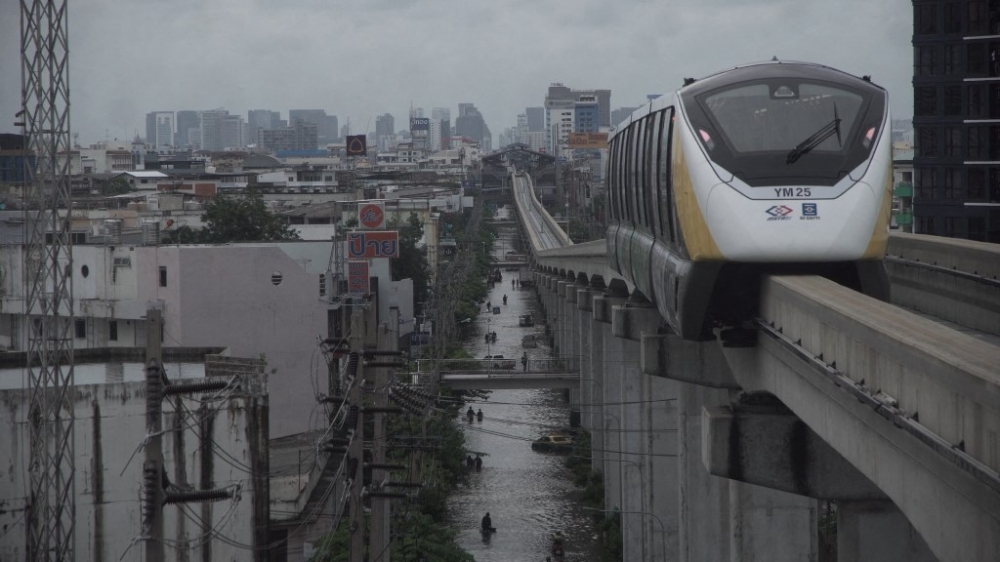
Thailand has faced widespread flooding since mid-September after repeated heavy rain. The disaster has killed 60 people nationwide. It matters because rivers are still rising in some regions, so the emergency is not over even where water has begun to recede. Prachinburi province remains especially difficult. Overflowing rivers flooded homes in seven districts and affected more than 188,000 people. Nineteen people died there. Bangkok also suffered major flooding after a month’s worth of rain fell over several days in late September. Flooding is ongoing in 27 of Thailand’s 77 provinces. Bangkok’s waters have largely receded, but residents and authorities are still cleaning up. The continuing high water means more homes, roads, and services could face disruption. Government agencies have been ordered to manage flooding and transportation carefully before major international meetings begin.
Based on reporting by Malay Mail Malaysia
What has happened in Thailand since mid-September, and which areas are still experiencing flooding?
Thailand has faced widespread flooding since mid-September after repeated heavy rain. The disaster has killed 60 people nationwide. It matters because rivers are still rising in some regions, so the emergency is not over even where water has begun to recede.
Prachinburi province remains especially difficult. Overflowing rivers flooded homes in seven districts and affected more than 188,000 people. Nineteen people died there. Bangkok also suffered major flooding after a month’s worth of rain fell over several days in late September.
Flooding is ongoing in 27 of Thailand’s 77 provinces. Bangkok’s waters have largely receded, but residents and authorities are still cleaning up. The continuing high water means more homes, roads, and services could face disruption. Government agencies have been ordered to manage flooding and transportation carefully before major international meetings begin.
What is a flood, and how does overflowing river water inundate homes and roads?
A flood is the temporary covering of normally dry land by water. It can happen after intense rain, when rivers rise beyond their banks, or when drainage cannot remove water quickly enough. Floods matter because moving water can damage homes, block roads, and threaten lives.
When rain fills a river faster than the channel can carry it, the river spills over its banks. Water then moves across nearby low ground and through streets, yards, and buildings. In Thailand, overflowing rivers flooded houses in seven districts of Prachinburi province. Bangkok streets were also submerged after several days of unusually heavy rain.
Floodwater can remain for days if more rain falls or the surrounding land is flat. The article reports that some Bangkok areas had knee-deep water, while vehicles were abandoned on submerged streets. As water levels continue rising in some regions, homes and transport routes remain vulnerable until rivers fall and water drains away.
How many people have died or been affected, and how widely has the flooding spread across Thailand?
The flooding has caused a major national loss of life and widespread disruption. Thailand’s government reported 60 deaths since mid-September. The scale matters because the disaster reaches well beyond one city or province, with many communities facing damaged homes, blocked roads, and continuing high water.
Prachinburi shows the human impact clearly. Nineteen people died there, and overflowing rivers affected more than 188,000 people across seven districts. Deaths were also reported in about a dozen other provinces and in Bangkok. Four people have died in the capital since September 16.
Flooding remains active in 27 of Thailand’s 77 provinces. Bangkok’s floodwater has largely receded, but some other regions still have rising river levels. These figures show that the emergency is nationwide. They also explain why government agencies must coordinate relief, transport, cleanup, and protection for communities that remain exposed.
What consequences have the floods had for transportation, schools, homes, and daily life in Bangkok and the provinces?
The floods have changed ordinary life across Thailand. Homes were inundated, roads became difficult or impossible to use, and transportation faced disruption. These effects matter because people may be unable to reach work, school, markets, hospitals, or safer places while water remains high.
In Bangkok, some streets were submerged and vehicles were abandoned. Several areas stood under knee-deep water for days. Schools closed for two days, and the city declared a disaster after intense late-September rain. In Prachinburi, overflowing rivers flooded houses across seven districts and affected more than 188,000 people.
Bangkok’s water has largely receded, but a large cleanup is underway. The government is also trying to keep transportation operating before the IMF and World Bank meetings. In provinces where flooding continues, residents may still face unsafe roads, damaged property, interrupted services, and difficult travel. Recovery will depend on water levels falling and communities being cleaned and repaired.
Why is Bangkok especially vulnerable to flooding, given its former marshlands, canals, rivers, and low-lying landscape?
Bangkok is especially vulnerable because much of the city was built on former marshlands. Such low-lying ground provides little natural height above floodwater. The city is also crossed by a network of canals and sits within a river-linked landscape, so rainfall and rising water can affect many connected areas.
The article describes how several days of rain, equal to a month’s usual total, flooded parts of Bangkok in late September. Some locations remained under knee-deep water for several days. Water moved across streets, while vehicles were abandoned and schools closed. These examples show how quickly intense rain can overwhelm an urban area.
Bangkok’s flood risk is not caused by one feature alone. Low land, waterways, and intense rainfall interact. When water arrives faster than channels and drainage routes can carry it away, streets and buildings flood. Although much of the recent water has receded, the city’s physical setting means future heavy rains can still produce serious disruption.
What are the IMF and World Bank meetings, and why does the government want Bangkok cleaned up and transportation kept open before they begin?
The International Monetary Fund, or IMF, and the World Bank are global financial institutions. Their meetings bring government officials, economists, and financial leaders together to discuss economic conditions, development, and international cooperation. The article says these meetings will begin in Bangkok next week.
The timing creates pressure for the city. Bangkok recently experienced severe flooding, including knee-deep water in some areas, abandoned vehicles, and closed schools. Although floodwater has largely receded, streets and public spaces still need cleaning. The government therefore wants agencies to manage both flood recovery and transportation.
Prime Minister Anutin Charnvirakul ordered agencies to avoid disruptions to the meetings. A clean city and reliable transport would help participants reach venues and move around safely. The effort also shows the political pressure facing the government, which has already faced public criticism over its flood response. The meetings make visible, speedy recovery especially important.
How do seasonal rainfall, drainage systems, land development, and climate patterns combine to make severe urban flooding more likely?
Seasonal rainfall can deliver large amounts of water in a short time. A drainage system must collect and move that water away. If rain falls faster than drains, canals, rivers, or pumps can handle it, water remains on streets and spreads into buildings. Low-lying cities face greater risk because gravity provides less help in removing water.
Land development can make the problem worse. Roads, roofs, and other hard surfaces prevent rain from soaking into the ground. Former marshlands that once stored water may instead hold buildings and streets. Bangkok’s canals and low landscape connect water across the city. The article reports that a month’s worth of rain fell over several days, producing knee-deep water in some areas.
Climate patterns can add another layer by bringing heavier or more irregular rainfall, though the article does not attribute this event to a specific climate cause. Thailand’s rainy season peaks in September. When seasonal rain combines with low land, development, and limited drainage capacity, severe flooding becomes more likely.
Key Facts:
📌 Flooding has killed 60 people in Thailand since mid-September.
📌 Prachinburi reported 19 deaths and more than 188,000 people affected.
📌 Flooding continues in 27 of Thailand’s 77 provinces.
📌 A flood covers land that is normally dry.
📌 Overflowing rivers spread water beyond their banks into nearby communities.
📌 Thailand’s flooding submerged homes, streets, and vehicles.
📌 Thailand reported 60 flood-related deaths since mid-September.