News · Politics & Governance
Ex-President Yoon Suk Yeol acquitted on appeal over free polls from political broker
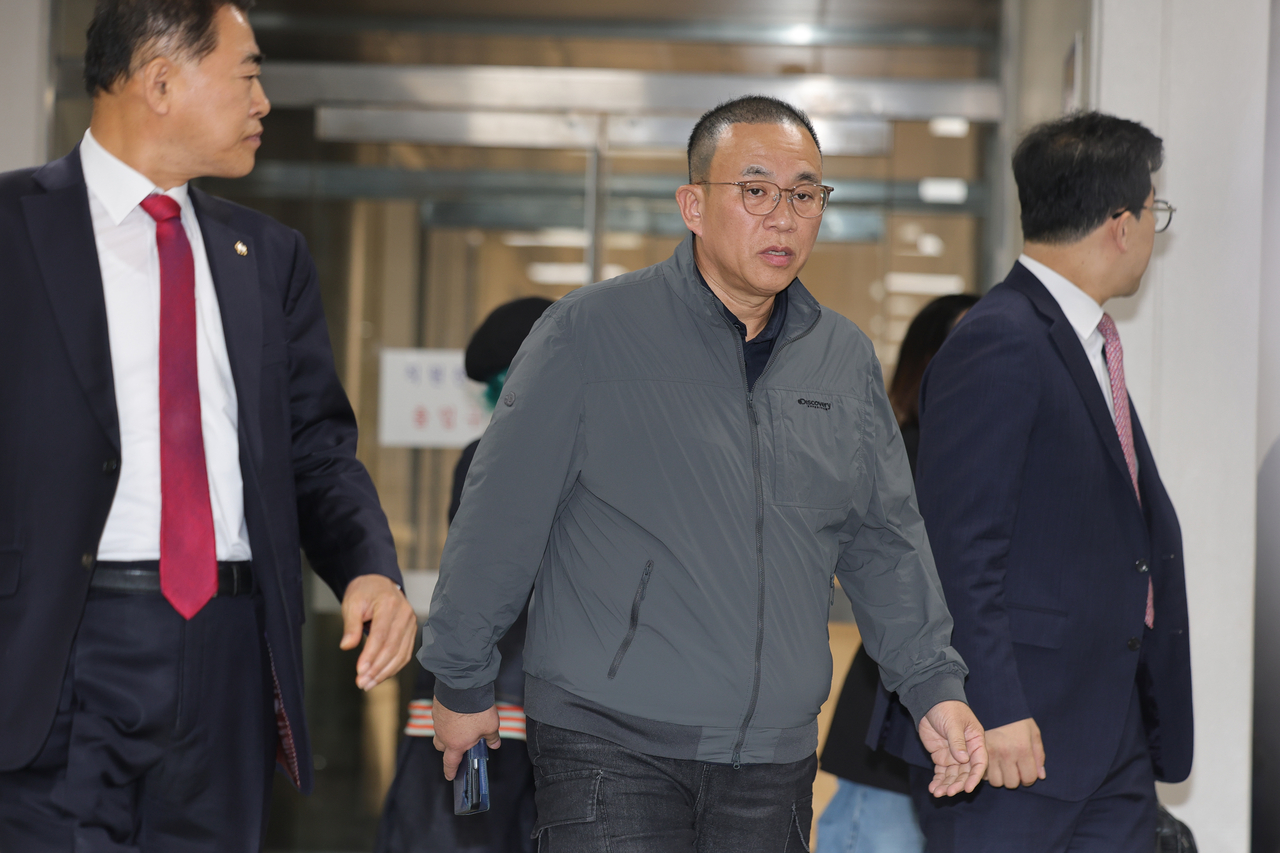
The Seoul High Court reversed the lower court’s decision against former President Yoon Suk Yeol. It acquitted him of illegally receiving free polling results from political broker Myung Tae-kyun. The ruling removed the two-year prison sentence imposed in July. The key issue was whether Yoon, former first lady Kim Keon Hee, and Myung had agreed that the polls would be commissioned and provided for free. The appeals court found no evidence of a shared understanding, or “meeting of minds,” about such an arrangement. It also found insufficient proof that Yoon intended to accept an illegal political contribution. The decision immediately replaces Yoon’s conviction in this case with an acquittal. Myung was also acquitted of violating the Political Funds Act. The ruling matches Kim’s separate acquittal on the polling-related charge, but it does not erase the broader political controversy surrounding the alleged 58 polls.
Based on reporting by Korea Herald
What exactly did the Seoul High Court decide about Yoon Suk Yeol's conviction and prison sentence?
The Seoul High Court reversed the lower court’s decision against former President Yoon Suk Yeol. It acquitted him of illegally receiving free polling results from political broker Myung Tae-kyun. The ruling removed the two-year prison sentence imposed in July.
The key issue was whether Yoon, former first lady Kim Keon Hee, and Myung had agreed that the polls would be commissioned and provided for free. The appeals court found no evidence of a shared understanding, or “meeting of minds,” about such an arrangement. It also found insufficient proof that Yoon intended to accept an illegal political contribution.
The decision immediately replaces Yoon’s conviction in this case with an acquittal. Myung was also acquitted of violating the Political Funds Act. The ruling matches Kim’s separate acquittal on the polling-related charge, but it does not erase the broader political controversy surrounding the alleged 58 polls.
What is an opinion poll, and why can polling results be politically valuable?
An opinion poll is a survey designed to estimate what a broader population thinks by asking questions of a selected group. Election polls may measure candidate support, issue preferences, or voting intentions. They matter because political actors rarely know public opinion directly, especially across large electorates.
For example, polling data could show which candidate is gaining support or which issues voters care about. A campaign might use that information to adjust its message, target particular groups, or decide where to spend limited resources. In the article, the alleged polling results were valuable because they could provide political information and advantage.
The court said that receiving a political advantage did not automatically equal receiving a financial benefit worth the polls’ production cost. That distinction mattered legally. Polling can be politically useful, but usefulness alone does not prove an illegal contribution or an agreement to obtain one.
How many polls were involved, and what was their total stated value?
Prosecutors said Yoon conspired with Kim Keon Hee to receive 58 opinion polls from Myung Tae-kyun without payment. The article valued the complete set at 270 million won, or approximately $202,000. That figure represented the stated combined value of conducting the polls.
The courts treated the polls differently based on how they were allegedly provided. The lower court found an implicit agreement for 14 polls whose results Myung personally delivered to the couple. It convicted Yoon over those 14 and sentenced him to two years in prison. It acquitted the defendants concerning the other 44 polls because Myung had not directly delivered them.
The appeals court went further. It acquitted Yoon and Myung, finding insufficient evidence of an agreement covering the free polling. Thus, the case involved 58 polls in total, but the final appeal ruling rejected criminal liability tied to the alleged arrangement.
Why did the appeals court conclude that the free polls were not proven to be an illegal political contribution?
The appeals court’s central conclusion was that prosecutors had not proved a coordinated arrangement. It found no evidence that Yoon, Kim Keon Hee, and Myung shared an understanding about requesting or supplying the polls for free. Without that agreement, the free polling was not proven to be an illegal political contribution.
The court viewed Myung’s conduct differently. It said he provided the results independently to demonstrate his value and influence. The article also says the courts in Kim’s case found that he acted without a prior request or agreement, partly to promote his polling firm or expand his political influence. That suggested unilateral promotion rather than a negotiated political exchange.
The court acknowledged that the couple might have gained a political advantage. But it said that advantage did not establish a financial benefit equal to the polls’ production cost. The ruling therefore separated political usefulness from the legally required proof of an illegal contribution.
What immediate legal consequences does the acquittal have for Yoon and political broker Myung Tae-kyun?
The immediate consequence for Yoon is the reversal of the lower court’s judgment. The Seoul High Court acquitted him, replacing the earlier conviction and two-year prison sentence. This means the polling-related case no longer produces that criminal conviction or sentence against him at the appeals level.
Myung also benefited directly from the ruling. The high court acquitted him of violating the Political Funds Act. The court found insufficient evidence that he and the former presidential couple had agreed to provide or receive the polling results for free. The alleged 58-poll arrangement therefore did not result in final liability under this ruling.
The decision aligns with Kim Keon Hee’s separate acquittal on the same polling-related charge. It resolves the immediate appeal outcome described in the article. However, it does not change the allegations’ political significance or establish that free polling can never be illegal; the court’s reasoning turned on the missing proof of agreement and intent.
Who is Myung Tae-kyun, and why might a political broker provide valuable polling data without being asked?
Myung Tae-kyun is described in the article as a political broker connected to polling and political influence. Prosecutors alleged that he provided Yoon and Kim Keon Hee with results from 58 polls without payment. The appeals court, however, did not find enough evidence that this happened under a shared agreement.
A broker might offer valuable information without being asked because the information can advertise expertise and create access. In Myung’s case, the court said he provided the results on his own initiative to demonstrate his value and influence. The article’s account of Kim’s case adds that he may have wanted to promote his polling firm or expand his political influence.
That strategy can create political relationships even without a formal promise of payment. But the court stressed that receiving a political advantage does not by itself prove an illegal contribution. Prosecutors still needed to show an agreement or intent connecting the free data to a prohibited political benefit.
What does a court mean by a 'meeting of minds,' and why must prosecutors prove an agreement or intent in a political-funds case?
In this context, a “meeting of minds” means that the relevant people shared an understanding about the arrangement. They would need to know, or agree, that polling work was being requested and supplied without payment. The appeals court said there was no evidence of that shared understanding among Yoon, Kim, and Myung.
This requirement matters because criminal political-funds liability cannot rest only on the fact that someone received useful information. Prosecutors must connect the benefit to a prohibited contribution and show the necessary agreement or intent. Here, the court said Myung acted independently, rather than following a request or deal from the former presidential couple.
The article says the couple may have gained a political advantage, but that did not prove they received a financial benefit equal to the polls’ cost. The acquittal therefore turned on the missing mental link: no proven agreement to provide free polls and no sufficient proof that Yoon intended to accept an illegal contribution.
Key Facts:
📌 The Seoul High Court acquitted Yoon on appeal.
📌 His two-year prison sentence was overturned.
📌 The court found no proven agreement or illegal-contribution intent.
📌 Opinion polls estimate public views from surveyed respondents.
📌 Political campaigns use polls to guide strategy and messaging.
📌 Political usefulness alone does not prove an illegal contribution.
📌 The case involved 58 opinion polls.