News · International Relations
Pakistan vs. Afghanistan: From allies and neighbors to war
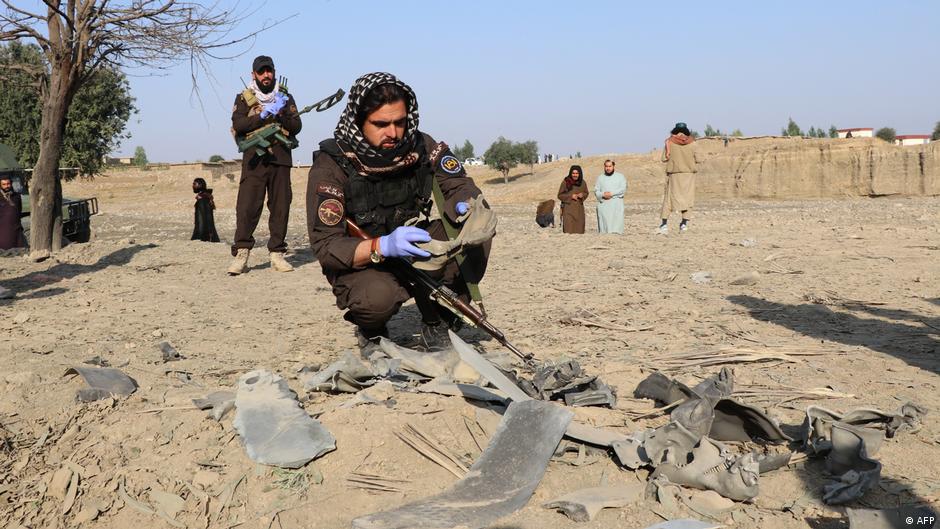
Pakistan attacked targets in Afghanistan on Thursday night, intensifying a conflict that reignited in mid-September. The Taliban says the strike killed nine or 10 civilians, including women and children. Pakistan says it killed 22 militants and destroyed weapons and ammunition depots. The two sides describe the outcome differently because they have opposing interests. Pakistan wants to show that its operation targeted armed groups and protected its people. The Taliban wants to emphasize civilian harm and portray Pakistan as violating Afghan sovereignty. The article does not independently verify either account. The strike followed border clashes and attacks blamed on the TTP. Pakistan accuses Afghanistan of sheltering that group, while Afghanistan denies the charge. The disputed results may deepen mistrust, complicate diplomacy, and encourage further retaliation between the neighboring states.
Based on reporting by DW News
What happened when Pakistan attacked targets in Afghanistan, and why do Pakistan and the Taliban give different accounts of the results?
Pakistan attacked targets in Afghanistan on Thursday night, intensifying a conflict that reignited in mid-September. The Taliban says the strike killed nine or 10 civilians, including women and children. Pakistan says it killed 22 militants and destroyed weapons and ammunition depots.
The two sides describe the outcome differently because they have opposing interests. Pakistan wants to show that its operation targeted armed groups and protected its people. The Taliban wants to emphasize civilian harm and portray Pakistan as violating Afghan sovereignty. The article does not independently verify either account.
The strike followed border clashes and attacks blamed on the TTP. Pakistan accuses Afghanistan of sheltering that group, while Afghanistan denies the charge. The disputed results may deepen mistrust, complicate diplomacy, and encourage further retaliation between the neighboring states.
What are the TTP and Afghanistan's Taliban, and how are the two groups connected but different?
The TTP, or Tehreek-e-Taliban Pakistan, is an independent militant organization fighting the Pakistani state. Afghanistan’s Taliban is a separate Islamic fundamentalist nationalist movement that controls Afghanistan. Confusing them hides the central problem: Pakistan is confronting an armed group linked to, but not controlled by, Afghanistan’s rulers.
The connection grew during Afghanistan’s long insurgency against international and US troops. Many TTP fighters sided with the Afghan Taliban during that war. After the Taliban returned to power in 2021, the TTP gained more room and leverage in Afghanistan. Shared ideology, personal relationships, and old networks bind the groups.
Those ties do not give the Afghan Taliban strong direct control over the TTP. Experts cited in the article say the Taliban is not prepared to take orders from Islamabad or outside actors. This makes Pakistan’s demand for decisive action difficult to enforce.
How large is the violence involved, including the 31 people killed and more than 100 injured in Kohat and the disputed casualties from the airstrike?
The violence has already produced substantial casualties, but its total scale is uncertain. On September 18, an attack on a police compound in Kohat killed 31 people and injured more than 100. A TTP splinter group claimed responsibility. That attack helped trigger the latest confrontation between Pakistan and Afghanistan.
The later Pakistani airstrike has competing casualty accounts. Pakistan says 22 militants were killed and weapons and ammunition depots were destroyed. The Taliban says nine or 10 civilians, including women and children, died. These figures cannot simply be combined because they describe different events and remain disputed.
The numbers show why the conflict is dangerous for both security forces and civilians. Repeated attacks, border clashes, and airstrikes can create pressure for retaliation. They also make negotiations harder, because each government uses casualty claims to support its own account of the conflict.
Why does Pakistan accuse Afghanistan of giving the TTP a safe haven, and why is it difficult for the Afghan Taliban to stop the group?
Pakistan accuses Afghanistan of giving the TTP a safe haven because attacks on Pakistani security forces are linked to fighters based across the border. The September 18 Kohat attack, which killed 31 people, sharpened that accusation. Afghanistan denies supporting the TTP, creating a direct dispute over responsibility and security.
The Afghan Taliban faces a difficult choice. Many TTP fighters supported the Taliban during its insurgency against international and US troops. The two movements also share ideological, personal, and organizational connections. Experts cited in the article say these networks make it extremely difficult for the Afghan Taliban to break away from the TTP.
However, the connection is not the same as command. The Taliban does not appear willing to take orders from Islamabad, and it lacks strong direct influence over the TTP. Talks and ceasefires have occurred, but no agreement has solved how to prevent attacks from Afghan territory.
What is the Durand Line, and why does its history continue to make the Pakistan-Afghanistan border disputed?
The Durand Line is the border arrangement drawn in 1893 between British India and Afghanistan. A British diplomat and an Afghan emir created it to mark their spheres of influence. Today, the Pakistan-Afghanistan border largely follows that line. Its colonial origin remains politically sensitive.
The line cuts through Pashtun homeland. Pashtuns are Afghanistan’s largest ethnic group and Pakistan’s second largest. Many Pashtuns on both sides still reject the border. This means families, communities, and cultural networks can be divided by a boundary they do not accept as legitimate.
As a result, the dispute is about more than land. Ethnic identity and nationalism influence today’s clashes, alongside arguments about security and sovereignty. The unresolved border makes cooperation harder, because border controls can feel like political pressure. It also gives armed groups and governments a powerful issue for mobilization.
What happens to Afghanistan when Pakistan closes border crossings, restricts trade, or sends Afghan refugees back?
When Pakistan closes crossings or restricts trade, Afghanistan can lose an important route for importing goods and reaching outside markets. Afghanistan is landlocked, so it depends on neighbors for transport. Pakistan is especially important. Border pressure can therefore affect prices, supplies, businesses, and government revenue.
Pakistan has also sent Afghan refugees back into Afghanistan. That adds pressure beyond trade. Returnees may need housing, work, food, and services in a country already facing major economic and political challenges. The article presents these measures as part of Pakistan’s effort to influence the Taliban while demanding action against the TTP.
The strategy gives Pakistan leverage, but it also carries risks. Economic pain may not persuade the Taliban to abandon the TTP, especially given their close networks. Instead, closures and deportations can worsen mistrust and hardship. Afghanistan is trying to reduce dependence on Pakistan by finding new economic and political partners.
How can a border become a source of conflict when it divides an ethnic homeland, separates armed groups from the states they oppose, and controls access to trade routes?
Borders are meant to separate states, but they can also divide communities and leave armed groups operating across them. The Pakistan-Afghanistan border follows the Durand Line, which cuts through Pashtun homeland. Many Pashtuns reject it, so state authority competes with ethnic identity and cross-border ties.
The TTP adds a security dimension. It fights Pakistan but has ideological and personal links with Afghanistan’s Taliban. Pakistan says the group finds safe haven in Afghanistan; the Taliban denies this and does not directly control the TTP. Because fighters and networks cross the frontier, attacks can produce clashes, airstrikes, and accusations.
Trade makes the border even more powerful. Afghanistan is landlocked and relies on routes through Pakistan. Islamabad can close crossings or restrict commerce to pressure the Taliban. That may create leverage, but it also harms civilians and businesses. The combined pressures make lasting cooperation harder and raise the risk of repeated escalation.
Key Facts:
📌 Pakistan claims 22 militants were killed and weapons depots destroyed.
📌 The Taliban reports nine or 10 civilian deaths.
📌 The article says the strike’s results remain disputed.
📌 The TTP is an independent group fighting Pakistan’s state.
📌 Afghanistan’s Taliban controls Afghanistan but does not control the TTP.
📌 The groups share ideology, personnel links, and historical networks.
📌 The Kohat attack killed 31 people and injured more than 100.